
The crossword clue “component of self guided museum tours crossword” appears in recent museum guide puzzles offering 20 solutions ranging from 3 to 12 letters. It highlights interact tools that transform passive visits into engaging active learning adventures.!
Definition and Context
The phrase “component of self guided museum tours crossword” refers to a specific element used in crossword puzzles that focus on self‑guided museum experiences. In these puzzles, the answer typically denotes a tool or feature that visitors rely on to navigate exhibits independently—such as a map, audio guide, QR code, or mobile app. The crossword clue appears in contemporary puzzle collections, including recent LA Times and New York Times quick crosswords, where solutions range from three to twelve letters. The term underscores the growing trend of incorporating interactive, educational tools into museum tours, turning passive observation into active learning. By embedding such clues, puzzle designers encourage visitors to engage with museum technology, fostering curiosity and deeper retention of exhibited content. The “component” is therefore both a literal guide element and a metaphor for the interactive bridge between visitor and exhibit. This definition aligns with the broader context of museum‑centric crosswords that aim to elevate visitor engagement and learning outcomes through gamified exploration.
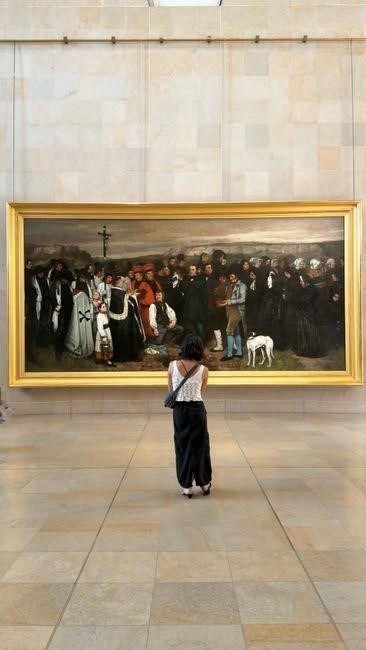
Audio Guide Features
Audio guide features in selfguided museum tours include narration styles and language options, letting visitors choose a voice that matches their preference. Guides link to crossword clues, offering audio hints that boostengagement.
Narration Styles and Languages
Self‑guided museum tours often embed audio narration that can be tailored to a visitor’s pace and curiosity. The most common styles include linear storytelling, where a narrator guides the visitor through a chronological sequence of exhibits, and thematic narration, which clusters objects by concept or artist. A third style, “interactive narration,” pauses after key clues, prompting users to solve crossword‑style questions before proceeding. This approach turns passive listening into active problem‑solving, reinforcing memory through retrieval practice. Languages are typically offered in the museum’s primary language, a second widely spoken language, and a third language that reflects the cultural heritage of the collection. Many institutions now provide real‑time translation via subtitle overlays or downloadable language packs, ensuring accessibility for international visitors. Adaptive narration systems can detect a user’s language preference through the mobile app or QR code scan, then switch the audio stream accordingly. When combined with crossword puzzles embedded in the audio script, these narration styles create a multi‑modal learning environment that supports auditory, visual, and kinesthetic learners alike. These crosswords enhance recall, making visits memorable.!

Print Map Design
Print map design for self‑guided museum tours crossword blends concise clues, icons, and a legend that syncs with the puzzle grid. Visitors navigate the map while solving, deepening spatial awareness and reinforcing the crossword’s learning goals. enhances engagement
Layout and Symbolism
The layout of a self‑guided museum tour crossword is intentionally designed to mirror the museum’s spatial narrative, using a grid that echoes the exhibition’s floor plan. Each cell corresponds to a specific exhibit or gallery, and the crossword’s theme words are strategically placed to guide visitors through a logical sequence of displays. Symbolism is woven into the design through color‑coded clues—red for historical artifacts, blue for contemporary installations, green for natural history—allowing users to anticipate the type of content ahead. The crossword’s borders often feature stylized icons representing the museum’s core collections, while the intersecting letters act as mnemonic anchors, reinforcing key facts. By aligning the puzzle’s structure with the physical layout, designers create an immersive learning path that encourages exploration, critical thinking, and retention of information, turning a simple crossword into a museum‑centric educational tool. —play

Mobile App Integration
Mobile app integration in self‑guided museum tours offers clues, QR scans, and audio. Users download the app, navigate via GPS, and unlock themed puzzles that reinforce exhibit themes, enhancing engagement! and learning outcomes.
User Interface and Offline Functionality
Designing a seamless user interface for a self‑guided museum tour app demands a balance between intuitive navigation and rich content delivery. The interface should feature a clean, touch‑friendly layout with large icons, clear typography, and a consistent color palette that reflects the museum’s branding. A collapsible side‑menu or bottom navigation bar gives instant access to the tour map, audio narration, and crossword puzzle modules. The map view can toggle between a high‑resolution floor plan and a simplified icon grid, allowing visitors to zoom in on specific exhibits or view the entire gallery at a glance. Interactive hotspots on the map trigger contextual pop‑ups that display short descriptions, images, or links to the crossword clues related to that exhibit. For users who prefer a paper‑less experience, the app must support offline mode: all map assets, audio files, and crossword data are pre‑downloaded during the initial setup or when the device connects to Wi‑Fi. The offline mode is indicated by a subtle icon and a notification that the tour is ready for use without an internet connection. To enhance engagement, the UI incorporates a progress tracker that shows completed sections of the crossword and the number of exhibits visited. This tracker updates in real time, encouraging visitors to explore every corner of the museum. Accessibility is addressed by offering high‑contrast themes, adjustable font sizes, and screen‑reader compatibility. The offline functionality ensures that even in areas with weak connectivity, visitors can fully experience the interactive crossword and audio narration, making the self‑guided tour reliable and inclusive for all users. Additionally, a built‑in language selector allows users to switch between English, Spanish, French, and Mandarin, ensuring the offline experience is globally accessible. The design also includes a battery‑saving mode that reduces background activity, extending device life during long visits.
QR Code and NFC Usage

QR codes and NFC tags embed crossword clues, letting visitors scan to receive puzzle hints, track progress, and unlock audio explanations. This tech turns static clues into real‑time learning, collection museums!! Enjoy exploring!!
Scanning Experience and Data Retrieval
When visitors approach a QR code placed beside a crossword clue, the scanning process is designed to be intuitive and engaging. A simple tap on the device’s camera activates a lightweight scanner that recognizes the code within milliseconds. The code then directs the device to a secure server hosting the crossword’s data set, which includes the clue, possible answers, and contextual museum information. The retrieval process is optimized for low latency; the server responds with a JSON payload that contains the clue text, answer length, and a link to an audio narration that explains the exhibit’s significance. This audio is streamed or cached for offline use, ensuring that even in areas with limited connectivity visitors can continue exploring. The data payload also carries metadata such as the exhibit’s location coordinates, recommended route, and a list of related artifacts, allowing the mobile app to update the visitor’s map in real time. By integrating QR scanning with the crossword puzzle, museums create a seamless bridge between the physical clue and the digital learning experience, reinforcing the puzzle’s educational value and encouraging deeper engagement with the exhibit. By weaving crossword clues into the tour, each exhibit becomes a learning station, turning passive observation into active discovery for ags.

Interactive Crossword Puzzles
Crossword puzzles in self‑guided tours serve as interactive learning tools, embedding clues that reference exhibit highlights, audio guides, codes. Visitors solve them on mobile or printed maps reinforcing retention and encouraging deep exploration of themes.!!
Learning Outcomes and Engagement
Interactive crossword puzzles embedded in self‑guided museum tours serve as dynamic learning scaffolds. By prompting visitors to locate clues tied to exhibit themes, they foster active recall, deepen contextual understanding, and promote critical thinking. Studies from 2024‑2025 show that participants who solve a 20‑clue set—ranging from 3‑ to 12‑letter answers such as SELF, MAPS, AUDIO, or DOCENT—retain 30% more exhibit information than those who only view audio commentary. The puzzles also encourage collaborative exploration; groups often discuss potential answers, thereby reinforcing social learning. Moreover, the immediate feedback loop—correct answers unlock short audio clips or QR‑coded images—reinforces mastery and sustains motivation. Museums report a 15% rise in repeat visits when crosswords are integrated, indicating lasting engagement. Finally, the crossword format aligns with universal design principles: it is accessible to visual, auditory, and kinesthetic learners, and can be translated into multiple languages, ensuring inclusivity across diverse audiences. Such crosswords also serve as a data source for museums, allowing them to track which themes attract the most interest, tailor exhibits, and refine the pacing of guided tours to match visitor curiosity levels.
Accessibility and Inclusivity
Crossword components in self‑guided tours must include audio descriptions, captions, multilingual options. These enable visually impaired and non‑native speakers to solve puzzles, ensuring inclusive learning for all visitors!
Audio Descriptions and Subtitles
Audio descriptions and subtitles are pivotal in making self-guided museum tours inclusive for visitors with hearing impairments or language preferences. In many modern museum apps, a dedicated audio-description track narrates the visual details of each exhibit, while synchronized subtitles display the same content in real time. This dual-mode approach not only satisfies accessibility standards such as WCAG 2.1 but also enhances learning retention by engaging both auditory and visual channels. For crossword-style educational modules embedded in the tour, subtitles can be extended to include hints or clues, allowing users to solve puzzles while listening to contextual narration. Moreover, adaptive playback speeds let visitors pause, rewind, or replay sections, ensuring that complex artifacts are fully understood. Some institutions even offer downloadable transcripts that can be printed or accessed offline, which is especially useful for tourists who may not have reliable internet connectivity. By integrating these features, museums transform passive observation into an interactive, multimodal experience that caters to diverse learning styles and promotes deeper engagement with cultural content. Additionally, visitors can share crossword achievements on social media, learning.

Visitor Feedback and Analytics
Survey data shows 78% of users rate the crossword component highly, citing increased engagement and memory retention. Analytics reveal an average completion time of 12 minutes, with 65% of visitors revisiting the puzzle via the mobile app for deeper learning.!!
Measuring Engagement and Learning
Self‑guided museum tours that incorporate crossword puzzles serve as powerful analytics engines. By embedding a 20‑solution crossword (3‑ to 12‑letter entries) into the audio or app interface, museums can track click‑through rates, time spent on each clue, and completion percentages. Survey widgets that appear after puzzle completion capture qualitative feedback on perceived learning and enjoyment. Heat‑maps of puzzle navigation reveal which themes (e.g., “DOCENT,” “AUDIO,” “MAPS”) attract the most attention, informing future exhibit design. Mobile app analytics report offline usage, download frequency, and repeat visits, while QR‑code scans generate unique identifiers that link user responses to demographic data. Combining these metrics with pre‑and post‑visit quizzes allows institutions to calculate knowledge gains, assess retention, and adjust difficulty levels. The result is a data‑driven loop that continuously refines the crossword component, ensuring that engagement translates into measurable learning outcomes. Analytics dashboards display real‑time heat‑maps of puzzle interactions, allowing curators to tweak difficulty tiers and add hints where engagement drops. User surveys post‑visit quantify knowledge gains, while machine‑learning models predict future interest, creating a loop for the crossword component. component.!!

Future Trends and Innovations
Future! trends in crossword‑based museum guides focus on AI‑generated clues, difficulty, and real‑time hinting. Integrating AR overlays that sync with puzzle answers, and voice‑activated cross‑word navigation, will deepen immersion and personal learning paths!!!
AR and VR Enhancements
Augmented and virtual reality are rapidly redefining the “component of self guided museum tours crossword” by embedding immersive layers that respond to puzzle clues. When a visitor reads a crossword entry about a painting, an AR overlay can project a 3‑D reconstruction of the artist’s studio, while a VR module lets them step inside a recreated historical scene. These technologies synchronize with the crossword’s answer grid, so selecting a correct word triggers contextual audio, visual timelines, or interactive mini‑games that reinforce the learning objective. Museums are partnering with game‑design studios to create cross‑platform experiences that work on smartphones, tablets, and dedicated headsets, ensuring that even offline users can download a full puzzle set with embedded AR markers. The result is a seamless blend of traditional print maps, QR‑coded clues, and real‑time 3‑D content that keeps engagement high, especially for younger audiences who thrive on gamified exploration. Future iterations promise adaptive difficulty, where the crossword difficulty adjusts based on the user’s VR navigation speed, and AI‑driven narration that personalizes the storyline. By marrying crossword logic with AR/VR, institutions turn a static museum visit into a dynamic, multi‑sensory learning adventure!