Chainsaw Lumber Cutting Guide: An Overview
Chainsaw milling offers a portable‚ affordable lumber solution‚ especially for those already equipped with a chainsaw; workshops cover techniques and maintenance.
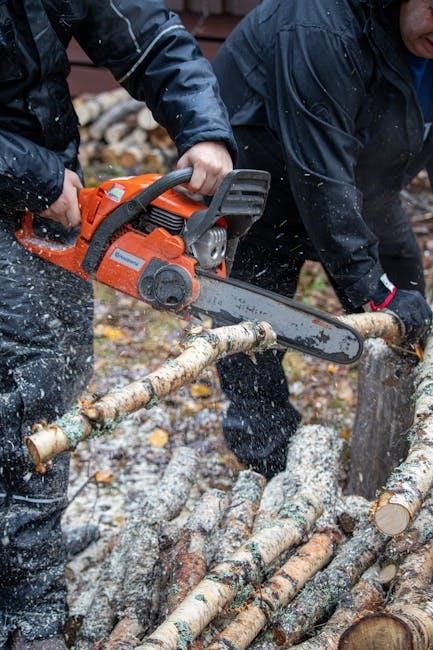
Chainsaw lumber cutting‚ utilizing a chainsaw mill attachment‚ presents a versatile method for transforming logs into usable lumber. This technique has gained popularity due to its portability and relatively low initial investment‚ particularly for individuals already possessing a suitable chainsaw. For approximately 25 years‚ enthusiasts have employed these simple devices to achieve consistently accurate cuts‚ bypassing the need for expensive‚ stationary sawmills.
Workshops‚ like those offered in Delta Junction‚ are increasingly common‚ focusing on essential skills such as tree pruning‚ sawmill operation‚ and crucial chainsaw maintenance; This accessibility makes it a viable option for hobbyists‚ landowners‚ and small-scale woodworkers seeking a cost-effective lumber solution.
Safety First: Essential Gear and Precautions
Chainsaw milling demands rigorous adherence to safety protocols. Prioritize personal protective equipment (PPE)‚ including a helmet with face shield‚ hearing protection‚ heavy-duty gloves‚ chainsaw chaps‚ and sturdy boots. Kickback is a significant hazard; maintain a firm grip and understand the chainsaw’s kickback zone.
Ensure the work area is clear of obstructions and bystanders. Regularly inspect the chainsaw and mill for proper functionality. Proper chain tension and sharpness are crucial for safe operation. Attend workshops‚ like those in Delta Junction‚ to learn safe techniques from licensed arborists and experienced operators‚ minimizing risks during operation.

Understanding Chainsaw Mills
Chainsaw mills are attachments transforming chainsaws into portable lumber-cutting tools‚ offering a versatile and relatively inexpensive alternative to traditional sawmills.
Types of Chainsaw Mills Available
Several chainsaw mill types cater to different needs and budgets. Basic models‚ often featuring a simple guide rail and depth adjustment‚ are ideal for occasional use and smaller logs. More advanced mills incorporate features like self-leveling systems and adjustable rollers‚ enhancing accuracy and efficiency for larger projects.
Alaskan mills are a popular choice‚ known for their robust construction and adaptability. They clamp directly onto the chainsaw bar‚ providing a straightforward milling solution. Portable mills‚ sometimes referred to as “rail mills‚” utilize a track system for smoother‚ more consistent cuts‚ particularly beneficial for longer boards. Ultimately‚ the best type depends on the scale of your milling operation‚ the size of the logs you’ll be processing‚ and your desired level of precision.
Chainsaw Mill Components and Functionality
A typical chainsaw mill consists of several key components working in unison. The guide rail establishes a straight cutting path‚ while the clamping system securely attaches the mill to the chainsaw bar. Depth adjustment controls dictate the thickness of the lumber being milled‚ and rollers or wheels facilitate smooth movement along the log.
Functionality relies on the chainsaw’s power to drive the cutting chain through the wood‚ guided by the mill’s structure. Proper alignment and tensioning of the chain are crucial for accurate cuts. The mill transforms a chainsaw into a portable‚ albeit slower‚ alternative to a traditional sawmill‚ enabling on-site lumber production.
Preparing for the Cut
Successful milling demands careful log selection‚ secure positioning‚ and precise chainsaw/mill setup; these foundational steps ensure safety and accurate lumber dimensions.
Log Selection and Assessment
Choosing the right log is paramount for efficient chainsaw milling. Prioritize straight logs with minimal taper‚ as these yield more usable lumber and reduce complications during the cutting process. Thoroughly inspect the log for defects like rot‚ cracks‚ or excessive knots‚ which can compromise the structural integrity of the finished wood;
Consider the species of wood; different species have varying densities and cutting characteristics. Assess the log’s diameter – chainsaw mills have limitations on the maximum log size they can handle. Finally‚ evaluate the log’s moisture content; freshly felled logs are heavier and require more power to cut‚ while seasoned logs are easier to mill but may exhibit checking or splitting. Careful assessment upfront saves time and maximizes lumber yield.
Log Positioning and Securing
Proper log positioning is crucial for safe and accurate milling. Ideally‚ logs should be positioned on a level surface to ensure consistent cutting depth. Elevating the log slightly off the ground improves accessibility and reduces the risk of the mill frame dragging on debris. Secure the log firmly to prevent rolling or shifting during operation – this is paramount for operator safety.
Utilize log dogs‚ wedges‚ or straps to effectively restrain the log. Ensure the securing method doesn’t interfere with the mill’s travel path. Consider the log’s length and weight distribution when determining the number and placement of securing points. A stable and well-supported log contributes significantly to the quality and efficiency of the milling process.
Chainsaw and Mill Setup
Correct setup is vital for optimal performance and safety. Begin by ensuring the chainsaw is properly maintained – a sharp chain is non-negotiable for efficient lumber cutting. Mount the chainsaw mill securely to the chainsaw bar‚ verifying all clamps and adjustments are tight. Double-check the mill’s guide rails are parallel to the bar and properly aligned with the log.
Adjust the mill’s depth settings according to the desired board thickness. Before initiating the cut‚ perform a test run without engaging the wood to confirm smooth operation and proper alignment. Regularly inspect all connections throughout the milling process‚ ensuring everything remains secure and functioning as intended.

Making the Cut: Techniques and Best Practices
Consistent feed rate and depth control are crucial during the initial cut‚ alongside careful navigation around knots and imperfections within the wood.
Initial Cut and Depth Control
Establishing a precise initial cut is paramount for successful lumber milling with a chainsaw. Begin slowly‚ allowing the mill to guide the chainsaw and create a consistent kerf. Gradually increase the depth over multiple passes‚ rather than attempting a full-depth cut immediately. This minimizes strain on the chainsaw and mill‚ reducing the risk of binding or kickback.
Maintaining consistent depth throughout the cut is vital for achieving uniform lumber thickness. Regularly check the mill’s guide rail to ensure it remains parallel to the log surface. Small adjustments during the cut can prevent the mill from drifting‚ resulting in boards with varying dimensions. Accurate depth control directly impacts the quality and usability of the milled lumber.
Maintaining Consistent Feed Rate
A steady feed rate is crucial for efficient and accurate chainsaw milling. Avoid forcing the chainsaw through the wood; let the engine power and the mill’s design do the work. A consistent pace prevents overheating and reduces the likelihood of chain binding or kickback. Listen to the engine – a struggling sound indicates you’re pushing too hard.
Adjusting the feed rate based on wood density is essential. Softer woods require a faster pace‚ while hardwoods demand a slower‚ more deliberate approach. Maintaining a smooth‚ even feed rate results in a cleaner cut surface and minimizes tear-out. Practice and observation will help you develop a feel for the optimal speed for different wood types.
Dealing with Knots and Imperfections
Encountering knots and imperfections is inevitable when milling lumber. Reduce the feed rate significantly when approaching a knot to prevent chain binding and potential kickback. Support the wood firmly to minimize vibration and maintain control. A slower pace allows the chain to navigate the knot with less stress.
For larger knots or areas of decay‚ consider making multiple passes with shallower cuts. This minimizes the risk of damaging the chain or creating an uneven surface. Inspect the wood carefully before cutting and adjust your technique accordingly. Patience and a cautious approach are key to successfully milling lumber with imperfections.

Chainsaw Mill Maintenance
Regular maintenance—chain sharpening‚ bar and sprocket checks‚ and frame inspections—ensures optimal performance‚ accuracy‚ and longevity of your chainsaw milling setup.
Chain Sharpening for Lumber Cutting
Maintaining a sharp chain is paramount for efficient and safe lumber cutting with a chainsaw mill. A dull chain requires excessive force‚ increasing the risk of kickback and producing poor-quality cuts. Frequent sharpening‚ guided by consistent filing angles‚ ensures the chain bites into the wood effectively.
Consider investing in a chain sharpening kit‚ including a file‚ file guide‚ and depth gauge. Regularly check the chain’s sharpness and address any dullness promptly. Proper sharpening not only improves cutting speed but also reduces strain on the chainsaw engine‚ extending its lifespan. Remember to always wear appropriate safety gear during the sharpening process.
Bar and Sprocket Maintenance
Consistent chainsaw mill operation demands diligent bar and sprocket upkeep. Regularly inspect the guide bar for wear‚ burrs‚ and straightness; a bent or damaged bar compromises cutting accuracy and safety. Clean the bar groove frequently to prevent sawdust buildup‚ which hinders smooth chain travel.
Sprockets‚ crucial for power transfer‚ should be checked for wear and replaced when necessary. Loose or worn sprockets reduce efficiency and can lead to chain derailment. Proper lubrication of both the bar and chain is vital‚ minimizing friction and extending component life. Routine maintenance ensures optimal performance and prevents costly repairs.
Mill Frame and Guide Rail Inspection
A robust and accurately aligned mill is fundamental for producing straight‚ consistent lumber. Regularly inspect the mill frame for any signs of bending‚ cracking‚ or weld failure. Ensure all bolts are tightened securely to maintain structural integrity. The guide rail‚ responsible for directional control‚ must be perfectly straight and free from obstructions.
Check the rail’s clamping mechanism for firm engagement with the log. Any looseness or misalignment will result in inaccurate cuts and potential kickback. Lubricate the rail surface to facilitate smooth movement of the chainsaw carriage. Thorough inspection before each use guarantees safe and precise milling operations.

Advanced Techniques
Mastering diverse wood species‚ large-diameter logs‚ and understanding the nuances of rip versus crosscutting elevate chainsaw milling precision and versatility.
Cutting Different Wood Species
Successfully milling lumber demands adapting techniques to each wood species’ unique characteristics. Softer woods like pine and cedar generally require faster feed rates and less downward pressure‚ allowing for quicker‚ cleaner cuts. Conversely‚ hardwoods – oak‚ maple‚ and walnut – necessitate slower‚ more deliberate passes with increased pressure to prevent binding and ensure a smooth finish.
Understanding grain patterns is crucial; interlocked grain can cause tear-out‚ requiring adjustments to cutting direction or blade sharpness. Moisture content also plays a significant role; wetter wood is heavier and more prone to binding‚ while drier wood can produce more sawdust. Experimentation and careful observation are key to optimizing your approach for each species‚ achieving consistent results and maximizing lumber yield.
Cutting Large Diameter Logs
Milling substantial logs presents unique challenges demanding a methodical approach. Initial cuts should be shallow‚ gradually increasing depth with each pass to minimize strain on the chainsaw and mill. Maintaining consistent feed pressure is paramount‚ preventing binding and ensuring a straight cut. Frequent chain sharpening is essential‚ as dull chains struggle with increased material removal.
Consider the log’s stability; larger logs require robust support to prevent rolling or shifting during the cut. Monitor engine temperature closely‚ as prolonged heavy use can lead to overheating. Patience and a slow‚ steady pace are crucial for achieving accurate‚ high-quality lumber from large-diameter trees‚ maximizing yield and minimizing waste.
Rip Cutting vs. Crosscutting with a Chainsaw Mill
Understanding the difference between rip and crosscutting is vital for efficient lumber production. Rip cutting‚ following the grain‚ is generally easier with a chainsaw mill‚ requiring less power and producing smoother surfaces. Crosscutting‚ perpendicular to the grain‚ demands a sharper chain and more consistent pressure to prevent splintering.
Mill setup adjustments may be necessary depending on the cut type; a slightly different chain angle can improve performance; Consider the wood’s characteristics – some species are more prone to splintering during crosscutting. Prioritize safety‚ maintaining a firm grip and proper stance for both techniques‚ ensuring accurate and predictable results.
Troubleshooting Common Issues
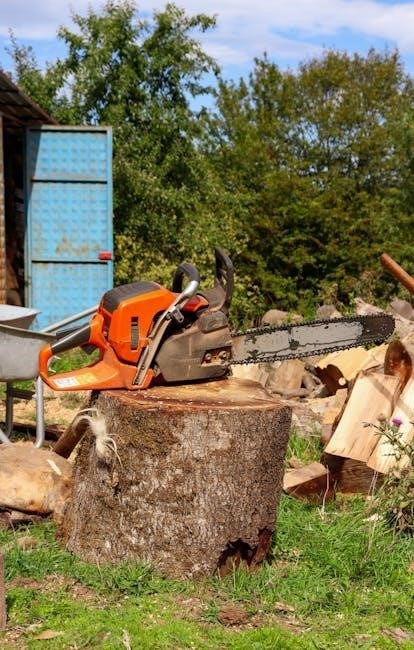
Addressing problems like chain binding‚ kickback‚ or mill drift is crucial for safe and accurate milling; engine issues also require prompt attention.
Chain Binding and Kickback Prevention
Chain binding during milling often stems from improper tension‚ a dull chain‚ or attempting to cut too aggressively‚ especially within dense wood. Maintaining correct chain tension is paramount‚ alongside frequent sharpening to ensure a clean‚ efficient cut. Always avoid pinching the bar‚ as this dramatically increases the risk of binding.
Kickback‚ a sudden and dangerous upward or forward movement of the chainsaw‚ is a serious concern. Preventing it requires understanding its causes – typically‚ contact between the upper quadrant of the bar’s tip and the wood. Utilize reduced-kickback chains and bars‚ and always maintain a firm grip with both hands. Never overreach or cut above shoulder height‚ and be acutely aware of the wood’s reaction to the cut.
Mill Drift and Accuracy Correction
Mill drift‚ the tendency for the mill to deviate from a straight cutting path‚ is a common challenge when using a chainsaw mill. This often arises from uneven log support‚ inconsistencies in feed rate‚ or a slightly misaligned mill frame. Regularly check and adjust the guide rails to ensure they remain perfectly parallel throughout the cut.
Correcting drift requires vigilance and subtle adjustments. Maintaining a consistent feed rate minimizes deviations‚ while carefully monitoring the mill’s alignment is crucial. If drift occurs‚ gently steer the mill back on course‚ avoiding abrupt corrections. Periodically checking the milled surface with a straightedge helps identify and address any accumulated inaccuracies promptly.
Engine Problems and Solutions
Chainsaw engine issues during milling can halt progress quickly. Common problems include overheating‚ fuel starvation‚ and spark plug fouling. Overheating often stems from inadequate chain lubrication or a clogged cooling system; ensure proper oil flow and clean the fins. Fuel starvation can be caused by a dirty fuel filter or a blocked fuel line – regular cleaning is vital.
Addressing these issues involves routine maintenance. Regularly inspect and replace the spark plug‚ clean or replace the air filter‚ and use fresh‚ high-quality fuel. If the engine consistently stalls‚ a carburetor adjustment might be necessary. Always consult the chainsaw’s manual for specific troubleshooting steps and safety precautions.

Portable Sawmill vs. Chainsaw Mill
Comparing options‚ portable sawmills offer higher production rates‚ while chainsaw mills provide affordability and portability‚ particularly beneficial for those with existing chainsaws.
Cost Comparison
Evaluating expenses reveals significant differences between portable sawmills and chainsaw mills. A basic chainsaw mill attachment can be surprisingly affordable‚ often costing just a few hundred dollars‚ making it accessible for those already owning a powerful chainsaw. This represents a low initial investment.
However‚ portable sawmills demand a substantially larger financial commitment. New portable sawmills can easily range from several thousand to tens of thousands of dollars‚ depending on features like automation and cutting capacity. While the upfront cost is higher‚ consider the long-term value.
Portable sawmills generally offer a faster return on investment for high-volume lumber production‚ whereas chainsaw mills suit occasional use or smaller projects where portability and low initial cost are paramount. Ultimately‚ the best choice depends on individual needs and budget constraints.
Portability and Setup Considerations
Chainsaw mills excel in portability; their lightweight design and minimal components allow for easy transport to remote locations‚ ideal for on-site milling. Setup is relatively straightforward‚ typically involving clamping the mill onto the chainsaw bar and securing it to the log.
Conversely‚ portable sawmills are considerably heavier and bulkier‚ often requiring a trailer for transportation. Setup is more complex‚ involving assembly of the mill frame‚ leveling‚ and alignment of the cutting head. This process demands more time and physical effort.
For users prioritizing convenience and access to remote timber‚ a chainsaw mill is the clear winner. However‚ if a dedicated milling space is available and frequent‚ large-scale milling is planned‚ a portable sawmill’s stability and efficiency may outweigh the portability drawbacks.
Production Rate and Efficiency
Chainsaw mills‚ while portable‚ generally offer a slower production rate compared to portable sawmills. The manual feed rate and chainsaw’s power limit the volume of lumber processed per hour. Achieving consistent depth and straight cuts requires skill and patience‚ impacting overall efficiency.
Portable sawmills‚ with their powered feed systems and more robust engines‚ can process logs significantly faster. They maintain consistent cutting speeds and depths‚ minimizing waste and maximizing lumber yield. This makes them suitable for larger projects and commercial operations.
However‚ the efficiency gap narrows when considering setup time; a chainsaw mill’s quick setup can be advantageous for small‚ infrequent milling tasks. Ultimately‚ production needs dictate the optimal choice.
Resources for Further Learning
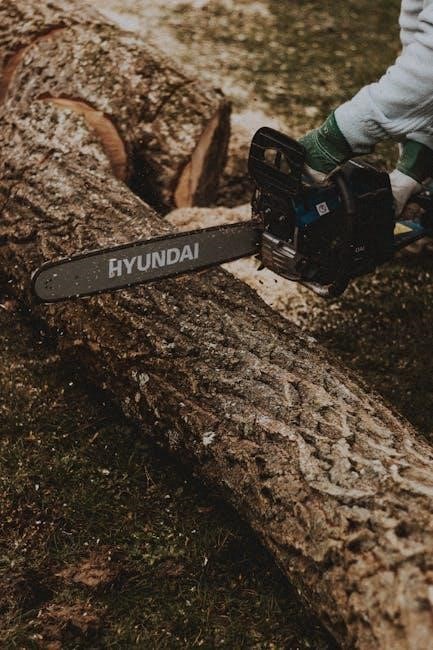
Explore online forums‚ YouTube tutorials‚ and dedicated books for in-depth knowledge of chainsaw milling techniques‚ maintenance‚ and safety protocols.
Online Forums and Communities
Engaging with online forums and communities dedicated to chainsaw milling provides an invaluable platform for knowledge sharing and problem-solving. These digital spaces connect experienced millers with newcomers‚ fostering a collaborative learning environment. Members frequently share tips on log selection‚ cutting techniques‚ mill maintenance‚ and troubleshooting common issues like chain binding or drift.
You’ll discover detailed discussions about different wood species‚ optimal chain sharpening methods‚ and modifications to improve mill performance. Many forums also feature classifieds sections where members buy‚ sell‚ or trade used equipment and lumber. Active participation allows you to learn from others’ successes and failures‚ accelerating your skill development and avoiding costly mistakes. These communities are a fantastic resource for staying updated on the latest advancements in chainsaw milling technology and best practices.
YouTube Channels and Tutorials
YouTube is a treasure trove of visual learning resources for chainsaw milling enthusiasts. Numerous channels offer detailed tutorials covering everything from basic mill setup and operation to advanced cutting techniques and troubleshooting. These videos often demonstrate proper safety procedures‚ emphasizing the importance of personal protective equipment and safe work practices.
Visual learners benefit greatly from seeing the milling process in action‚ observing how experienced operators handle different log types and overcome challenges. Search for channels focusing on portable sawmills‚ chainsaw modifications‚ or lumber production to find relevant content. Many tutorials also cover essential maintenance tasks like chain sharpening and bar maintenance‚ ensuring optimal mill performance and longevity. Don’t forget to explore creator and artist profiles!
Books and Manuals on Chainsaw Milling
While online resources are abundant‚ comprehensive books and manuals provide a structured and in-depth understanding of chainsaw milling. These resources often delve into the theoretical aspects of lumber production‚ covering wood species identification‚ grading techniques‚ and milling calculations. Manuals specific to chainsaw mill models offer detailed instructions on assembly‚ operation‚ and maintenance‚ ensuring safe and efficient use.
Look for publications that address safety protocols‚ emphasizing proper body positioning‚ kickback prevention‚ and emergency procedures. Books can also offer valuable insights into optimizing cutting patterns to maximize lumber yield and minimize waste. Supplementing online tutorials with printed materials creates a well-rounded learning experience.