
A low-glycemic index (low-GI) diet focuses on foods impacting blood sugar, offering a structured 12-week plan for effective and sustainable weight management․
What is the Glycemic Index (GI)?
The Glycemic Index (GI) is a ranking system for carbohydrates based on how quickly they affect blood glucose levels․ Foods are scored from 0 to 100, with pure glucose having a GI of 100․ Low GI foods (55 or less) are digested and absorbed slowly, causing a gradual rise in blood sugar․
Conversely, high GI foods (70 or more) lead to rapid spikes․ Understanding the GI helps in making informed food choices․ It’s not just what you eat, but how it impacts your body․ A low-GI diet isn’t about eliminating carbs, but selecting those that provide sustained energy and support weight loss goals within a 12-week plan․
Benefits of a Low GI Diet for Weight Loss
Adopting a low GI diet offers numerous advantages for weight loss․ By stabilizing blood sugar, it reduces cravings and promotes feelings of fullness, leading to decreased calorie intake․ This dietary approach can also improve insulin sensitivity, aiding in fat metabolism and preventing energy crashes․
Furthermore, a low GI plan supports sustained energy levels, enhancing physical activity and overall metabolic rate․ It’s beneficial for managing diabetes symptoms and can contribute to long-term weight management as part of a comprehensive 12-week strategy․ Focusing on whole, unprocessed foods fosters healthier eating habits beyond just weight reduction․
Understanding the 12-Week Plan
This structured 12-week program progressively adjusts your diet, starting with initial adjustments, intensifying the plan, and finishing with maintenance strategies․
Phase 1: Weeks 1-4 ⎻ Initial Adjustment
The first four weeks of this low GI diet plan are dedicated to gently introducing changes and allowing your body to adjust․ Focus on swapping high GI foods – white bread, sugary cereals, and processed snacks – for their low GI counterparts like whole grains, fruits, and vegetables․
Prioritize understanding portion control and mindful eating during this phase․ Begin tracking your food intake to become aware of your current eating habits․ Don’t aim for drastic restrictions; instead, concentrate on making sustainable swaps․ This initial phase is about building a foundation for long-term success, establishing new habits, and minimizing initial cravings․ Expect a gradual shift in energy levels and a slight reduction in weight as your body adapts to the lower GI approach․
Phase 2: Weeks 5-8 ⎻ Intensifying the Diet
Having successfully navigated the initial adjustment, weeks 5-8 focus on deepening your commitment to the low GI principles․ Now is the time to refine your food choices, ensuring the majority of your meals are built around low GI staples․
Increase your intake of fiber-rich foods – legumes, vegetables, and whole grains – to promote satiety and further stabilize blood sugar levels․ Experiment with combining foods strategically to lower the overall GI impact of your meals․ Continue tracking your progress, paying attention to how different foods affect your energy and weight loss; This phase encourages more mindful meal planning and preparation, solidifying the dietary changes for continued success․
Phase 3: Weeks 9-12 ー Maintenance and Long-Term Strategy
The final phase, weeks 9-12, shifts the focus to sustaining your progress and integrating the low GI diet into a long-term lifestyle․ Continue prioritizing low GI foods, but allow for occasional, mindful indulgences․ This isn’t about restriction, but about balance․
Reflect on your journey, identifying challenges and successful strategies․ Develop a plan for navigating social situations and eating out while staying true to your goals․ Regularly monitor your weight and adjust portion sizes as needed․ The key is to view this as a sustainable approach to healthy eating, not a temporary fix․ Embrace the benefits of stable energy levels and improved well-being, making the low GI diet a permanent part of your life․
Core Principles of the Low GI Diet
This diet centers on choosing foods that release glucose slowly, stabilizing blood sugar, boosting fullness, and supporting effective weight loss over time․
Focus on Low GI Foods
The cornerstone of this dietary approach is prioritizing foods with a low glycemic index (GI)․ These foods, digested and absorbed slowly, cause a gradual rise in blood glucose levels, unlike high-GI options that lead to spikes and crashes․ Focusing on low-GI choices helps manage hunger, improve energy levels, and promote fat burning․
Excellent low-GI food selections include most non-starchy vegetables, some fruits like berries and apples, legumes (beans, lentils), whole grains such as quinoa and barley, and healthy fats․ Regularly incorporating these into your meals is crucial for success․ Understanding the GI scale – ranking foods from 0 to 100 – empowers informed food choices, steering you towards sustained weight loss and improved metabolic health․ Remember, portion size also influences the overall glycemic load․
Importance of Fiber Intake
Fiber plays a pivotal role in a successful low-GI diet, extending beyond simply aiding digestion․ It significantly slows down the absorption of sugar into the bloodstream, contributing to a lower glycemic response․ This helps maintain stable blood sugar levels, reducing cravings and promoting feelings of fullness, which are essential for weight management․
Foods rich in fiber – vegetables, fruits, whole grains, and legumes – also tend to be lower in GI․ Aim for at least 25-30 grams of fiber daily․ Increasing fiber intake gradually is key to avoid digestive discomfort․ Fiber supports gut health, further enhancing overall well-being and contributing to the long-term sustainability of your 12-week weight-loss plan․ It’s a vital component for optimal results․
Combining Foods for Optimal GI Impact
The glycemic impact of a meal isn’t solely determined by individual food GI values; food combinations matter significantly․ Pairing high-GI foods with protein, healthy fats, or fiber-rich foods can substantially lower the overall glycemic response․ For example, adding a source of healthy fat like avocado to a sweet potato (moderate GI) slows digestion and glucose absorption․
This strategic combination prevents rapid blood sugar spikes, promoting satiety and supporting weight loss goals within your 12-week plan․ Understanding these interactions allows for greater flexibility and enjoyment while adhering to the low-GI principles․ Experiment with pairings to discover delicious and effective meal options that optimize your blood sugar control and enhance your results;

Sample Meal Plan (Weekly Overview)
A typical week emphasizes low-GI breakfasts, lunches, and dinners, incorporating lean proteins, non-starchy vegetables, and healthy fats for sustained energy․
Breakfast Options (Low GI)
Starting your day with a low-GI breakfast is crucial for maintaining stable blood sugar levels and curbing cravings throughout the morning․ Excellent choices include steel-cut oats topped with berries and a sprinkle of nuts – providing fiber and healthy fats; Another fantastic option is eggs, prepared in any style, alongside whole-wheat toast and avocado․ Greek yogurt, unsweetened, paired with a small portion of fruit and seeds, offers a protein-rich and satisfying start․ Consider a smoothie made with low-GI fruits like berries, spinach, and a protein source like almond butter․ Avoid sugary cereals, white bread, and fruit juices, as these can cause rapid spikes in blood sugar․ Prioritizing protein and fiber at breakfast sets the stage for successful weight management and sustained energy levels throughout the day․
Lunch Options (Low GI)
A satisfying, low-GI lunch prevents afternoon energy crashes and supports consistent weight loss․ Opt for salads featuring lean protein sources like grilled chicken or fish, combined with plenty of non-starchy vegetables and a vinaigrette dressing․ Whole-grain wraps filled with hummus, turkey, and vegetables are another excellent choice․ Lentil soup provides a hearty and fiber-rich meal, promoting fullness and stable blood sugar․ Quinoa bowls with roasted vegetables and a lean protein source offer a complete and nutritious lunch․ Avoid white bread sandwiches, sugary drinks, and processed snacks․ Focusing on protein, fiber, and healthy fats ensures a balanced and energizing midday meal, keeping you on track with your 12-week plan․
Dinner Options (Low GI)
Low-GI dinners are crucial for overnight blood sugar control and continued weight loss․ Baked salmon with roasted asparagus and a small portion of sweet potato provides healthy fats, protein, and complex carbohydrates․ Stir-fries with lean beef or chicken, plenty of vegetables, and brown rice are a flavorful and nutritious option․ Lentil shepherd’s pie, using a cauliflower mash topping, offers a comforting yet healthy meal․ Chicken breast with a large salad and a drizzle of olive oil is a simple and effective choice․ Limit portion sizes and avoid sugary sauces or refined carbohydrates․ Prioritizing lean protein, non-starchy vegetables, and whole grains supports a restful night and consistent progress throughout your 12-week journey․
Foods to Include & Avoid

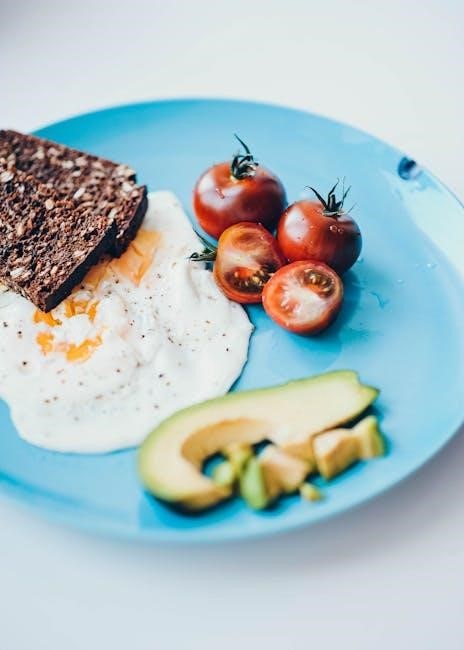
Embrace non-starchy vegetables, fruits, whole grains, and lean proteins․ Limit refined grains, sugary drinks, processed foods, and high-sugar fruits for success․
Low GI Food List (Fruits, Vegetables, Grains)
Building a low GI diet revolves around selecting foods that release glucose slowly and steadily․ For fruits, prioritize berries (strawberries, blueberries), apples, pears, oranges, and peaches – enjoying them in moderation․ Vegetables offer a wide range of low GI options; think leafy greens (spinach, kale), broccoli, cauliflower, carrots, peppers, and tomatoes․ Non-starchy vegetables are your allies!
When it comes to grains, choose whole grains over refined ones․ Excellent choices include quinoa, barley, oats (steel-cut or rolled), brown rice, and whole-wheat bread (ensure it’s truly whole-wheat)․ Legumes like lentils, chickpeas, and beans are also fantastic low GI staples, providing both fiber and protein․ Remember to consider portion sizes, as even low GI foods can impact blood sugar if consumed in excess․ Diversifying your choices within these categories ensures a nutrient-rich and satisfying diet․
High GI Foods to Limit or Avoid
Successfully implementing a low GI diet requires mindful limitation of foods causing rapid blood sugar spikes․ Refined grains are primary culprits: white bread, white rice, and many breakfast cereals should be minimized or avoided․ Sugary drinks – sodas, juices, and sweetened teas – offer little nutritional value and dramatically elevate GI․ Processed foods, including pastries, cakes, cookies, and many pre-packaged snacks, generally fall into the high GI category․
Potatoes, especially mashed or baked, have a high GI; sweet potatoes are a better alternative in moderation․ Fruits like watermelon and dates also have higher GI values․ While not necessarily forbidden, these should be consumed sparingly and paired with protein or healthy fats to mitigate their impact․ Prioritizing whole, unprocessed foods is key to maintaining stable blood sugar levels and supporting weight loss goals․
Tracking Progress & Making Adjustments
Regularly monitor weight loss and, if applicable, blood sugar levels․ Adjust portion sizes and meal compositions based on individual responses and progress․
Monitoring Blood Sugar Levels (If Applicable)
For individuals with diabetes or insulin resistance, consistent blood glucose monitoring is crucial while following a low GI diet․ Regularly checking levels – before meals, two hours post-meal, and potentially at bedtime – provides valuable insights into how different foods impact your body․ This data helps personalize the diet, ensuring optimal blood sugar control and maximizing weight loss benefits․
Record your readings in a logbook or utilize a digital tracking app․ Share this information with your healthcare provider for professional guidance and potential medication adjustments․ Remember, the goal isn’t just weight loss, but also improved metabolic health․ Consistent monitoring empowers you to make informed dietary choices and maintain stable blood sugar levels throughout the 12-week plan and beyond․
Adjusting Portion Sizes Based on Weight Loss
As you progress through the 12-week low GI diet plan and begin to experience weight loss, it’s essential to recalibrate your portion sizes․ Your caloric needs decrease as your body mass reduces, meaning maintaining the initial portion sizes may lead to a plateau․ Regularly assess your weight loss progress – weekly weigh-ins are recommended – and adjust accordingly․
Reduce portion sizes gradually, focusing on a moderate decrease rather than drastic cuts․ Prioritize protein and fiber-rich foods to maintain satiety․ Pay attention to your hunger cues; eat when truly hungry and stop when comfortably full․ Consulting a registered dietitian can provide personalized guidance on optimal portion sizes based on your individual metabolic rate and activity level, ensuring continued success․

Potential Challenges & Solutions
Navigating cravings and dining out require planning; focus on low-GI choices, mindful eating, and pre-meal strategies for sustained success․
Dealing with Cravings
Cravings are a common hurdle on any dietary shift, and a low-GI diet is no exception․ Understanding why you crave is crucial․ Often, cravings signal nutritional deficiencies or emotional needs․ Instead of outright denial, which can intensify the desire, try strategic substitutions․ If you’re longing for something sweet, reach for a low-GI fruit like berries instead of processed sugar․
Prioritize fiber-rich foods, as they promote satiety and help stabilize blood sugar, reducing the likelihood of intense cravings․ Ensure adequate protein intake, as it also contributes to fullness․ Distraction techniques, like a short walk or engaging in a hobby, can also help redirect your focus․ Remember, occasional indulgences, in moderation, can be incorporated without derailing your progress․
Eating Out on a Low GI Diet
Navigating restaurant menus requires mindful choices․ Prioritize lean protein sources – grilled fish, chicken, or lean beef – and pair them with generous portions of non-starchy vegetables․ Request sauces and dressings on the side to control portion sizes and sugar content․ Be cautious of hidden sugars in marinades and sauces․
Opt for whole-grain options when available, like brown rice or quinoa, instead of white rice or refined pasta․ If carbohydrates are unavoidable, choose smaller portions․ Don’t hesitate to ask for modifications; most restaurants are accommodating․ Planning ahead by reviewing menus online can also help you make informed decisions and stay on track with your 12-week plan․