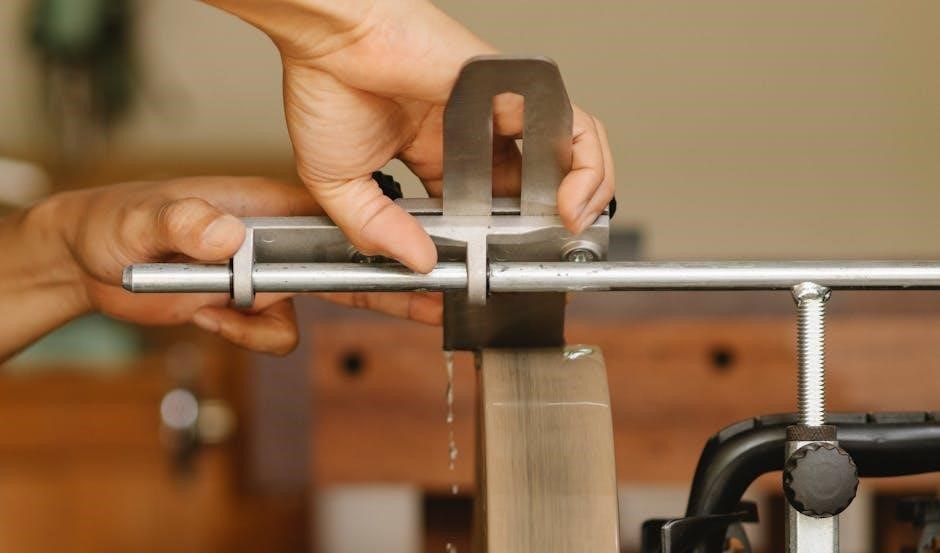
Manual height adjustable desks offer ergonomic benefits without electricity‚ utilizing cranks‚ levers‚ or gas springs for desk elevation. These mechanisms provide a cost-effective‚ reliable solution.
What is a Manual Height Adjustable Desk?
A manual height adjustable desk is an ergonomic workstation designed to allow users to seamlessly transition between sitting and standing positions without relying on electric motors. Unlike traditional desks with fixed heights‚ these desks utilize mechanical mechanisms – such as hand cranks‚ levers‚ or gas springs – to raise and lower the work surface.
This provides a healthier alternative to prolonged sitting‚ promoting better posture and reducing the risks associated with sedentary lifestyles. These desks are often favored for their simplicity‚ reliability‚ and affordability‚ offering a practical solution for those seeking an active workspace.
Benefits of Using a Manual Adjustable Desk
Manual adjustable desks promote numerous health benefits‚ primarily by encouraging movement and reducing prolonged sitting. Users experience improved posture‚ reduced back pain‚ and increased energy levels through frequent position changes. These desks offer a cost-effective ergonomic solution‚ eliminating the need for electricity and complex setups.
Furthermore‚ they are known for their durability and quiet operation. The ability to customize desk height enhances comfort and productivity‚ catering to individual needs and preferences for a healthier‚ more dynamic workspace.
Types of Manual Desk Mechanisms
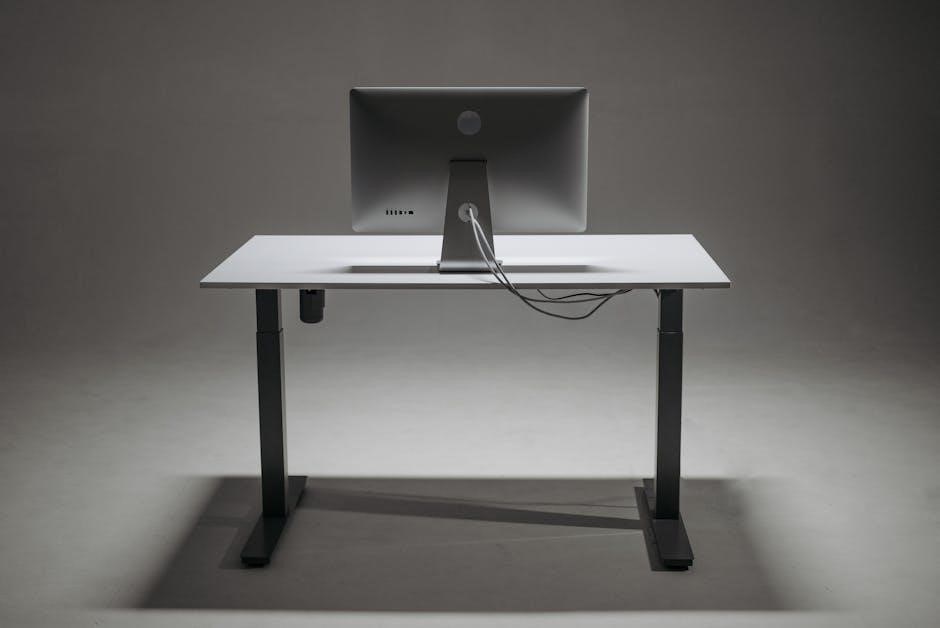
Manual desk mechanisms primarily include crank‚ hand lever‚ and gas spring systems‚ each offering unique adjustment methods and varying levels of effort.
Crank Mechanisms: A Detailed Look
Crank mechanisms represent a popular choice for manual height adjustment‚ employing a simple rotational motion to lift or lower the desk. These systems typically feature a hand crank connected to a threaded rod or screw. Rotating the crank translates into vertical movement of the desk frame. They are known for their reliability and affordability‚ requiring minimal maintenance. However‚ adjustment speed can be slower compared to other methods. The crank itself can be positioned on either the left or right side of the desk‚ catering to user preference. Crank mechanisms offer precise control over desk height‚ allowing for customized ergonomic positioning throughout the workday.
Hand Lever Mechanisms: How They Work
Hand lever mechanisms utilize a lever-based system for height adjustment‚ offering a different approach than cranks. Applying force to the lever releases or locks the desk’s position‚ allowing for manual lifting or lowering; These systems often incorporate a locking mechanism to maintain the desired height securely. While generally requiring more physical effort than crank systems‚ they can offer quicker adjustments. The simplicity of the design contributes to their durability and ease of maintenance. Lever mechanisms are often found in more heavy-duty applications‚ supporting substantial weight capacities. They provide a straightforward‚ mechanical solution for ergonomic desk adjustments.
Gas Spring Mechanisms: Utilizing Pneumatic Power
Gas spring mechanisms employ pressurized gas to assist with height adjustments‚ making lifting feel significantly easier. These systems utilize a pneumatic cylinder filled with nitrogen gas‚ providing counterbalance to the desk’s weight. By releasing a lever or handle‚ the gas spring assists in raising or lowering the desk smoothly. They offer a more effortless adjustment experience compared to purely mechanical systems like cranks or levers. Gas springs are known for their quiet operation and precise height control‚ offering a comfortable and ergonomic solution for standing desks.
Components of a Manual Height Adjustable Desk Mechanism
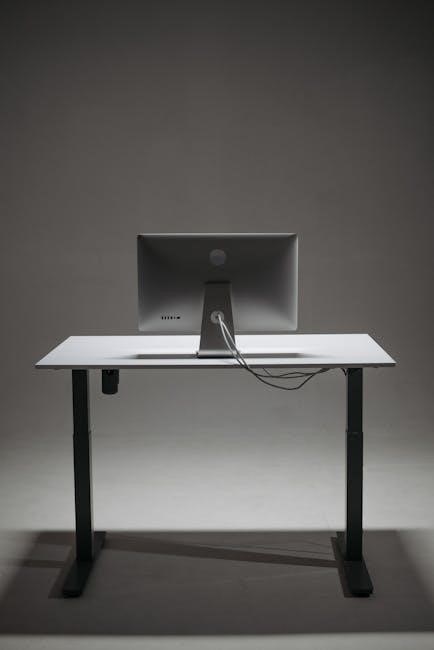
Key components include a robust frame‚ lifting columns for vertical movement‚ and a stable foot design‚ all working together to provide reliable height adjustability.
The Frame and Support Structure
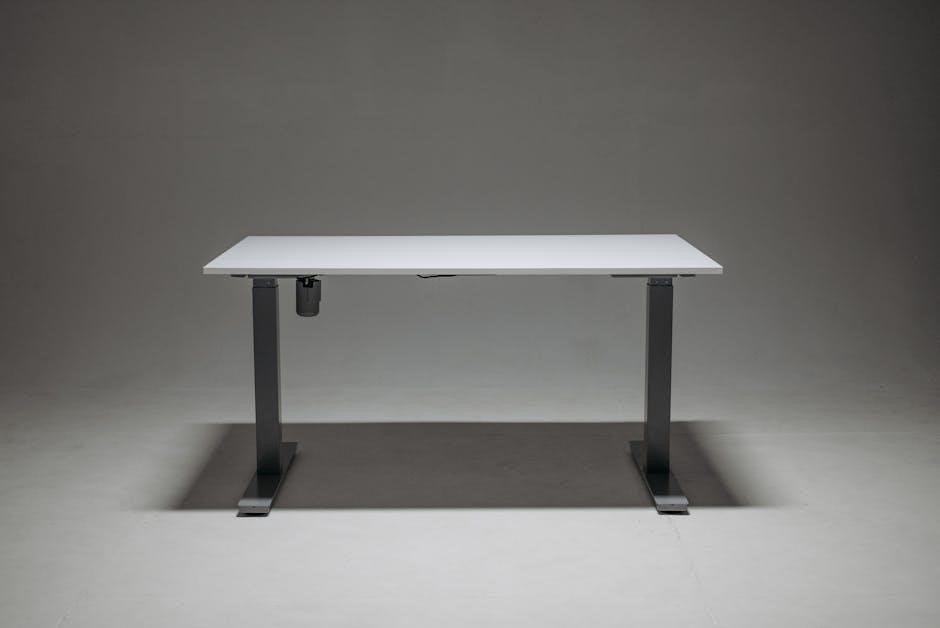
The frame is the foundational element‚ typically constructed from steel for exceptional strength and durability. It must withstand significant weight and repeated adjustments. Robust support structures‚ including crossbeams and reinforced joints‚ are crucial for stability during height transitions and while in use.
A well-designed frame minimizes wobble and ensures a secure work surface. The quality of welding and material thickness directly impact the desk’s longevity and load-bearing capacity. Proper frame design distributes weight evenly‚ preventing stress points and potential failures.
The Lifting Columns: Core of the Mechanism
Lifting columns are the heart of any height-adjustable desk‚ responsible for the vertical movement. These telescopic structures house the mechanism – whether crank‚ lever‚ or gas spring – and translate rotational or pneumatic force into linear motion.
Column quality dictates smoothness‚ stability‚ and weight capacity. Multi-stage columns offer greater height range. Internal components‚ like gears or gas cylinders‚ must be durable and precisely engineered for reliable performance. The number of columns impacts stability; wider desks often require dual columns.
Foot Design and Stability Considerations
Foot design is crucial for a stable manual height adjustable desk. Wider feet distribute weight better‚ preventing tipping‚ especially at higher elevations. Adjustable feet level the desk on uneven floors‚ maximizing stability.
Robust materials‚ like steel‚ are essential for foot construction. Some designs incorporate rubber pads to protect flooring and enhance grip. The attachment point of the lifting columns to the feet must be reinforced to withstand stress during adjustments and use. Proper foot design ensures a safe and wobble-free workspace.
Choosing the Right Mechanism for Your Needs
Selecting a manual mechanism depends on weight capacity‚ desired adjustment speed‚ budget‚ and durability expectations for your height adjustable desk setup.
Weight Capacity and Desk Size
Determining the appropriate weight capacity is crucial when selecting a manual height adjustable desk mechanism. Consider not only the desk surface itself‚ but also the total weight of all items you intend to place on it – monitors‚ computers‚ accessories‚ and anything else. Larger desks generally require mechanisms with higher weight capacities to ensure stability and smooth operation.
A smaller desk might function perfectly well with a lighter-duty mechanism‚ while a larger‚ heavier desk will necessitate a more robust and powerful solution. Failing to account for sufficient weight capacity can lead to instability‚ difficulty adjusting the height‚ and potential damage to the mechanism over time.
Adjustment Speed and Ease of Use
Manual adjustment mechanisms inherently offer slower height changes compared to electric counterparts. Crank mechanisms‚ while reliable‚ require physical effort and time to reach the desired height. Hand levers may offer quicker adjustments‚ but can still require some force.
Ease of use is paramount; consider the effort required for frequent adjustments. A smooth-turning crank or easily accessible lever enhances usability. Evaluate if the mechanism’s operation suits your workflow and physical capabilities‚ ensuring comfortable and convenient height transitions throughout the day.
Durability and Material Quality
Manual desk mechanisms rely on robust construction for longevity. Steel frames and high-quality lifting columns are crucial for supporting weight and resisting wear. Consider the gauge of steel used – thicker steel generally indicates greater durability.
The quality of components like gears (in crank systems) or gas springs directly impacts performance over time. Look for mechanisms with corrosion-resistant finishes and sturdy build quality to ensure reliable operation and minimize the need for frequent repairs or replacements.

Installation and Assembly
Manual desk mechanism installation typically requires basic tools and following a step-by-step guide. Prioritize safety by carefully reading instructions and securing all components.
Tools Required for Installation
Successfully installing a manual height adjustable desk mechanism demands a few essential tools. A Phillips head screwdriver is crucial for securing most components‚ alongside an Allen wrench set – often included with the mechanism – to tighten specific bolts. A measuring tape ensures accurate alignment during assembly‚ while a level guarantees a stable‚ even work surface.
Depending on the desk’s material‚ you might need a drill with appropriate bits for pilot holes. Rubber mallets can gently persuade parts into place‚ preventing damage. Finally‚ work gloves offer protection‚ and safety glasses are always recommended to shield your eyes from debris during the process.
Step-by-Step Assembly Guide
Begin by attaching the lifting columns to the desk frame‚ ensuring proper orientation as per the manual. Next‚ connect the foot design components‚ verifying stability. Carefully mount the chosen mechanism – crank‚ lever‚ or gas spring – to the frame and columns‚ securing all bolts.
Test the adjustment functionality‚ confirming smooth operation. Finally‚ double-check all connections for tightness and stability before placing the desktop onto the assembled base. Refer to the manufacturer’s specific instructions for detailed guidance.
Safety Precautions During Installation
Always disconnect power before commencing assembly‚ even though these are manual systems. Wear safety glasses to protect your eyes from debris. Ensure a clear‚ spacious work area to prevent tripping hazards. Lift components with a partner to avoid strain or injury‚ especially heavier parts like the frame.
Double-check all bolts and screws are securely tightened. Never place hands under the desk during adjustment testing. Consult the manual for weight limits and avoid overloading the mechanism.
Maintenance and Troubleshooting
Regular inspection‚ cleaning‚ and lubrication are key for manual desk mechanisms. Address stiffness or uneven movement promptly to ensure longevity and smooth operation.
Regular Inspection and Cleaning
Consistent upkeep extends the life of your manual height adjustable desk mechanism. Monthly‚ visually inspect all components – frame‚ lifting columns‚ and foot design – for signs of wear‚ looseness‚ or damage. Pay close attention to connection points and moving parts. Dust and debris accumulation can hinder smooth operation; therefore‚ wipe down all surfaces with a soft‚ damp cloth.
For crank or lever systems‚ check for smooth rotation and secure attachment. Gas spring mechanisms should move fluidly without resistance. Addressing minor issues early prevents costly repairs and ensures continued ergonomic benefits. A clean mechanism operates more efficiently and reliably.
Common Issues and Their Solutions
Manual desk mechanisms can experience issues like stiff cranking‚ uneven lifting‚ or instability. A stiff crank often indicates a need for lubrication – apply silicone-based lubricant to moving parts. Uneven lifting suggests a synchronization problem within the lifting columns; check for obstructions or loose connections.
Instability typically stems from an uneven floor or a loose frame. Ensure the desk is on a level surface and tighten all bolts; If problems persist‚ consult the manufacturer’s guide or seek professional assistance. Regular maintenance minimizes these occurrences.
Lubrication and Part Replacement
Regular lubrication is crucial for smooth operation of manual desk mechanisms. Apply silicone-based lubricant to crank shafts‚ gears‚ and lifting columns every six months. Avoid oil-based lubricants‚ as they attract dust. For part replacement‚ identify the specific component needing attention – lifting columns‚ cranks‚ or feet;
Contact the manufacturer or a specialized supplier for compatible replacements. Always disconnect the desk before any repair work. Proper maintenance extends the lifespan and ensures continued functionality of your adjustable desk.
Cost Considerations
Manual desk mechanisms generally range from $100 to $400‚ influenced by materials‚ weight capacity‚ and features. Budget options prioritize functionality over premium components.
Price Range of Different Mechanisms
Crank mechanisms typically fall within the $100-$250 range‚ representing the most affordable option. Hand lever systems are similarly priced‚ often between $120 and $280‚ depending on build quality. Gas spring mechanisms‚ offering smoother adjustment‚ generally cost more‚ ranging from $200 to $400 or higher for robust models.
The overall price is affected by desk size‚ weight capacity‚ and the quality of materials used in the mechanism’s construction. More durable steel frames and higher weight limits will naturally increase the cost. Consider your specific needs and budget when selecting a mechanism.
Factors Affecting the Overall Cost
Several elements influence the price of a manual height adjustable desk mechanism. Desk size is a primary factor; larger desks require more robust‚ and therefore more expensive‚ mechanisms. Weight capacity also plays a crucial role‚ with higher capacity systems costing more due to stronger components.
Material quality—steel versus aluminum—and the complexity of the design significantly impact price. Shipping costs‚ brand reputation‚ and included accessories (like desk tops) further contribute to the final expense.
Budget-Friendly Options
For those seeking affordability‚ crank mechanisms generally represent the most cost-effective manual height adjustable desk solution. Simpler designs and readily available materials contribute to lower prices. Consider focusing on essential functionality over premium features like rapid adjustment speeds.
Exploring online marketplaces and comparing different retailers can reveal significant savings. Opting for a basic frame without a pre-attached desktop can also reduce initial costs‚ allowing you to source a tabletop separately.

Manual vs. Electric & Pneumatic Mechanisms
Manual desks rely on physical effort‚ while electric and pneumatic options offer powered or gas-assisted adjustments‚ differing in speed‚ convenience‚ and cost.
Comparing Adjustment Methods
Manual mechanisms‚ like cranks and levers‚ demand physical exertion for height changes‚ offering precise control but slower adjustments. Electric desks provide effortless‚ often programmable‚ movement with a push of a button‚ though they require power access. Pneumatic systems utilize gas springs for smoother‚ assisted adjustments‚ striking a balance between effort and convenience. Each method presents unique advantages; manual prioritizes affordability and simplicity‚ electric emphasizes ease of use‚ and pneumatic balances both.
Pros and Cons of Each Type
Manual desks are budget-friendly and reliable‚ but require physical effort for adjustments. Electric desks offer convenience and features like memory settings‚ yet depend on electricity and are pricier. Pneumatic desks provide assisted movement‚ a middle ground‚ but may have limited height range. Manual options lack the speed of electric‚ while electric models can be complex to repair. Pneumatic systems offer a good balance‚ though initial cost is higher than manual.
Which Mechanism is Right for You?
Consider your budget and usage frequency. For infrequent adjustments and cost-consciousness‚ a manual crank is ideal. If you prioritize ease and frequent changes‚ electric is best‚ despite the higher price. Pneumatic offers a compromise – assisted adjustments without electricity. Assess your physical ability; cranking requires effort. Think about desk size and weight capacity needs. Ultimately‚ the best choice aligns with your workflow‚ health goals‚ and financial constraints.
Ergonomic Considerations
Adjustable desks promote better posture and reduce strain. Proper height supports neutral wrist and elbow positions‚ encouraging movement and regular breaks for optimal health.
Proper Desk Height for Optimal Posture
Achieving the correct desk height is crucial for maintaining good posture and preventing musculoskeletal discomfort. When seated‚ your elbows should be bent at a 90-degree angle‚ with your forearms parallel to the floor. The desk surface should allow your shoulders to remain relaxed‚ avoiding any hunching or tension.
For a standing position‚ the desk height should enable you to view your monitor at eye level‚ preventing neck strain. Your wrists should remain straight while typing‚ and your weight should be evenly distributed on both feet. Regularly adjusting the desk throughout the day‚ even with a manual mechanism‚ encourages dynamic posture and reduces fatigue.
Integrating Accessories for Enhanced Comfort
To maximize the benefits of a manual height adjustable desk‚ consider incorporating ergonomic accessories. A supportive chair with adjustable lumbar support is essential for seated comfort. Anti-fatigue mats can significantly reduce strain during prolonged standing. Monitor arms allow for optimal screen positioning‚ minimizing neck and eye strain.
Keyboard trays promote proper wrist alignment‚ and footrests provide additional support when seated. These additions‚ combined with the desk’s adjustability‚ create a personalized and comfortable workspace‚ boosting productivity and well-being.
The Importance of Movement and Breaks
Even with a manual height adjustable desk‚ prolonged static postures are detrimental. Regularly alternating between sitting and standing is crucial for circulation and reducing musculoskeletal discomfort. Short‚ frequent breaks – every 20-30 minutes – are highly recommended.
Simple stretches and brief walks can revitalize focus and prevent fatigue. A manual desk encourages mindful movement‚ prompting users to actively adjust their position throughout the workday‚ fostering a healthier work routine.
Popular Brands and Models
Vari and Fezibo are noted for reliable manual mechanisms‚ offering diverse models with varying weight capacities and adjustment features for optimal user experience.
Review of Leading Manufacturers
Vari consistently receives praise for its robust build quality and smooth crank operation‚ though often at a higher price point. Their focus is on durability and a premium feel. Fezibo provides more budget-friendly options‚ frequently lauded for ease of assembly and a surprisingly stable performance given the cost. FlexiSpot‚ while known for electric models‚ also offers competitive manual desks‚ balancing affordability with decent functionality.
Uplift Desk‚ though primarily electric‚ has a manual option appreciated for its customization. Smaller brands often specialize in specific mechanisms‚ like gas spring lifts‚ offering niche solutions. Customer feedback highlights the importance of checking weight capacity and warranty details when selecting a manufacturer.
Best-Selling Manual Desk Mechanisms
The Fezibo Manual Standing Desk consistently tops sales charts due to its affordability and ease of use‚ particularly appealing to first-time standing desk adopters. Vari’s Mechanical Desk remains popular for its perceived superior build quality and smooth crank system‚ despite the higher investment. FlexiSpot’s manual options also perform well‚ offering a balance between price and features.
Gas spring mechanisms‚ like those found in some Uplift Desk models‚ are gaining traction for their effortless adjustment. Crank-based systems remain dominant‚ favored for their simplicity and reliability‚ driving consistent sales across multiple retailers.
Customer Reviews and Ratings
Generally‚ manual desk mechanisms receive positive feedback regarding sturdiness and value. Users frequently praise the simplicity of crank systems‚ noting easy assembly and reliable operation. However‚ some reviews mention the effort required for frequent height adjustments. Gas spring models garner praise for smooth transitions‚ but concerns about long-term durability occasionally surface.
Average ratings typically range from 4.2 to 4.5 stars across major e-commerce platforms. Common complaints involve packaging issues or minor component defects‚ easily resolved with customer support. Overall‚ satisfaction remains high for budget-conscious buyers.
Future Trends in Manual Desk Mechanisms
Innovations focus on sustainable materials‚ refined designs‚ and potentially‚ integration with basic smart office features for enhanced user experience and eco-friendliness.
Innovations in Design and Materials
Recent advancements in manual desk mechanisms prioritize both aesthetics and functionality. Manufacturers are exploring lighter‚ yet incredibly durable materials like advanced polymers and reinforced alloys to reduce overall weight and improve ease of adjustment. Design trends lean towards sleeker profiles and concealed mechanisms for a more minimalist appearance.
Furthermore‚ there’s a growing emphasis on modularity‚ allowing users to customize their desk setup with interchangeable components. Expect to see more ergonomic crank handles and refined lever designs‚ focusing on user comfort and reducing strain during operation. The integration of recycled materials is also gaining traction‚ aligning with sustainability goals.
Increased Focus on Sustainability
A significant trend in manual height adjustable desk mechanisms is a heightened commitment to eco-friendly practices. Manufacturers are increasingly utilizing recycled materials in the frames‚ lifting columns‚ and other components‚ reducing the environmental footprint. Sustainable sourcing of wood and minimizing packaging waste are also key priorities.
Furthermore‚ the longevity and repairability of these mechanisms are being emphasized‚ promoting a “reduce‚ reuse‚ recycle” philosophy. Durable designs minimize the need for frequent replacements‚ and readily available replacement parts extend the product’s lifespan‚ contributing to a circular economy.
Integration with Smart Office Technologies
While inherently mechanical‚ manual height adjustable desk mechanisms are seeing subtle integration with smart office technologies. This doesn’t involve motorization‚ but rather companion accessories. Bluetooth-enabled posture sensors can pair with desks‚ reminding users to adjust height and move throughout the day.
Some manufacturers offer desk-mounted tablet holders‚ allowing for easy access to productivity apps and ergonomic guidance. Though not directly part of the mechanism‚ these additions enhance the overall smart office experience‚ complementing the health benefits of a standing desk.