Trader Joe’s Pizza Dough Instructions: A Comprehensive Guide
This guide unlocks effortless homemade pizza with Trader Joe’s dough! We’ll explore handling‚ resting‚ baking‚ and creative uses for a delightful experience.
Trader Joe’s pizza dough is a remarkably convenient and affordable gateway to homemade pizza perfection. It eliminates the time-consuming process of making dough from scratch‚ offering a pre-made solution that consistently delivers satisfying results. This makes it ideal for weeknight dinners or casual gatherings.
Many find it exceptionally easy to work with‚ even for novice pizza makers. Whether you’re aiming for a simple sheet pan pizza or a more elaborate creation‚ the dough’s versatility shines. It’s a staple for those seeking a quick and delicious Italian-inspired meal‚ and a favorite within the Trader Joe’s community‚ sparking numerous recipe ideas and discussions online.
Understanding the Dough: Ingredients & Texture
Trader Joe’s pizza dough typically contains simple‚ classic ingredients: flour‚ water‚ yeast‚ olive oil‚ and salt. This straightforward composition contributes to its appealing flavor and manageable texture. Upon opening‚ the dough presents a slightly elastic and somewhat sticky consistency‚ which is perfectly normal.

Its texture allows for easy stretching and shaping‚ adapting well to various pizza styles. The dough isn’t overly hydrated‚ making it less prone to tearing during handling. Remember‚ a little flour dusting can help manage stickiness. Understanding these characteristics sets the stage for successful pizza creation and alternative uses like calzones or garlic knots.
Preparing the Dough for Baking
Proper preparation is key! This involves allowing the dough to rest‚ potentially kneading‚ and skillfully stretching it to your desired shape and thickness.
Initial Resting & Temperature Considerations
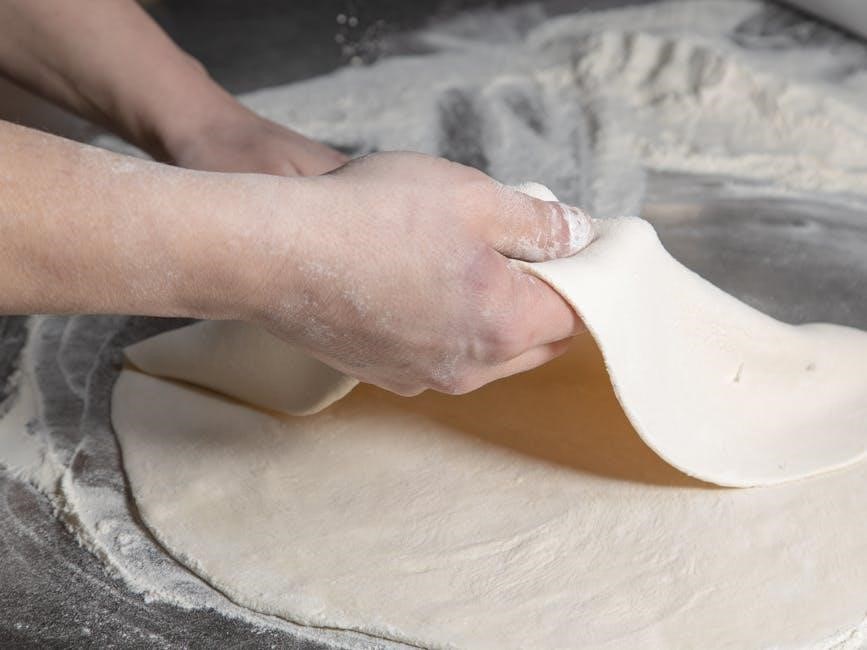
Allowing the Trader Joe’s pizza dough to come to room temperature is crucial for optimal stretching and baking. Cold dough is difficult to work with and won’t achieve the desired texture. Remove the dough from its packaging and place it on a lightly floured surface.
Let it rest for at least 30-60 minutes‚ or even longer‚ until it becomes pliable and easy to handle. The warmer the dough‚ the more easily it will stretch without snapping back. This resting period allows the gluten to relax‚ resulting in a more tender and flavorful crust. Don’t rush this step – patience yields better results!
Kneading (If Necessary) & Flour Dusting
Trader Joe’s pizza dough generally doesn’t require extensive kneading‚ as it’s already well-developed. However‚ if the dough feels overly sticky or lacks elasticity‚ a brief knead can improve its texture. Lightly flour a clean surface and gently knead the dough for 2-3 minutes.
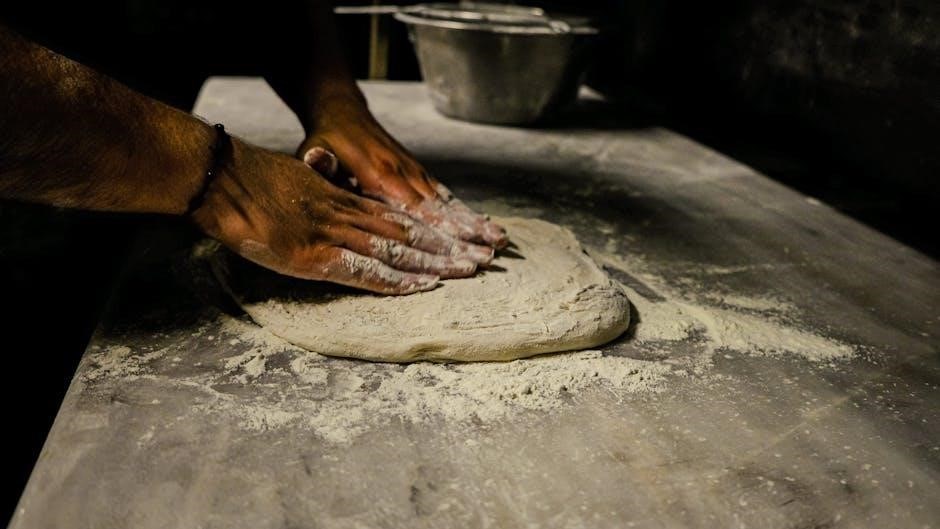
Consistent flour dusting is key throughout the process. Use flour liberally on your work surface‚ your hands‚ and the dough itself to prevent sticking. This ensures easy handling during stretching and shaping. A light coating of flour also contributes to a crispier crust during baking‚ preventing sogginess.
Stretching & Shaping the Dough
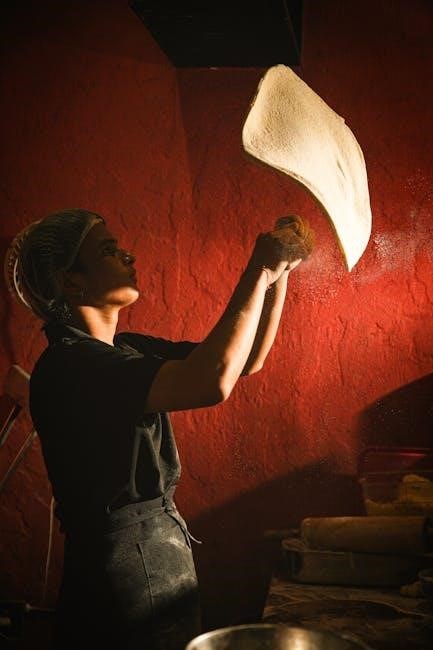
Gently stretch Trader Joe’s pizza dough to your desired shape and thickness. Avoid using a rolling pin‚ as it can compress the dough and result in a tough crust. Instead‚ use your fingertips to press and stretch from the center outwards. For rectangular shapes‚ stretch the dough into a rectangle‚ perfect for sheet pan pizzas.
For alternative shapes‚ cut dough into strips for breadsticks or tie into knots for garlic knots. Remember to flour your work surface well to prevent sticking during shaping. Proper stretching ensures an even crust and optimal baking results.
Techniques for a Thin Crust Pizza
Achieving a delightfully thin crust with Trader Joe’s dough requires finesse. Gently stretch the dough as thinly as possible‚ using your fingertips to press outwards from the center. Avoid creating a thick edge for a uniformly thin base. A well-floured surface is crucial to prevent sticking during this process.
For optimal results‚ consider using a pizza stone or steel‚ preheated to a high temperature. This ensures a crispy‚ evenly cooked crust. Remember‚ less dough equals a thinner crust‚ so stretch it out!
Achieving a Thicker‚ More Traditional Crust
For a heartier‚ more traditional pizza crust‚ handle the Trader Joe’s dough with a slightly different approach. Instead of stretching it extremely thin‚ focus on maintaining a more substantial thickness throughout. Gently press and shape the dough‚ leaving a slightly raised edge to create a classic pizza rim.
Allowing the dough to rest after shaping can also contribute to a fluffier‚ thicker crust. Don’t overwork the dough‚ as this can result in a tough texture. A sheet pan is perfectly suitable for baking a thicker crust pizza.
Baking Methods & Times
Explore diverse baking techniques! From simple sheet pan pizzas baked for 30-40 minutes‚ to utilizing baking stones for a crispier base‚ options abound.
Sheet Pan Pizza: The Easiest Approach
For ultimate convenience‚ the sheet pan pizza reigns supreme! This method requires minimal effort and delivers satisfying results‚ perfect for weeknight dinners or casual gatherings. Simply stretch the Trader Joe’s pizza dough to fit your sheet pan‚ leaving a portion uncovered for a delightful crust.
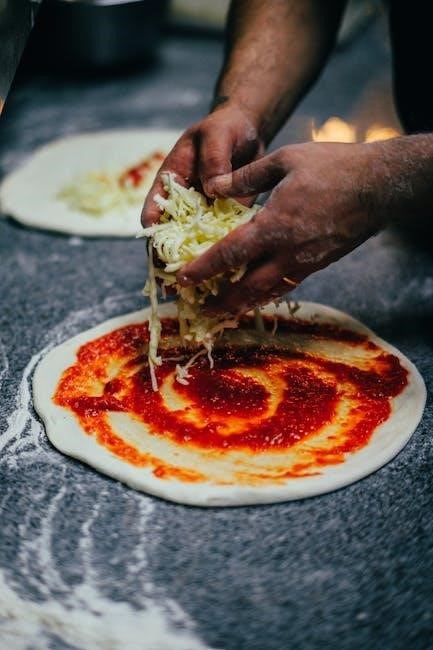
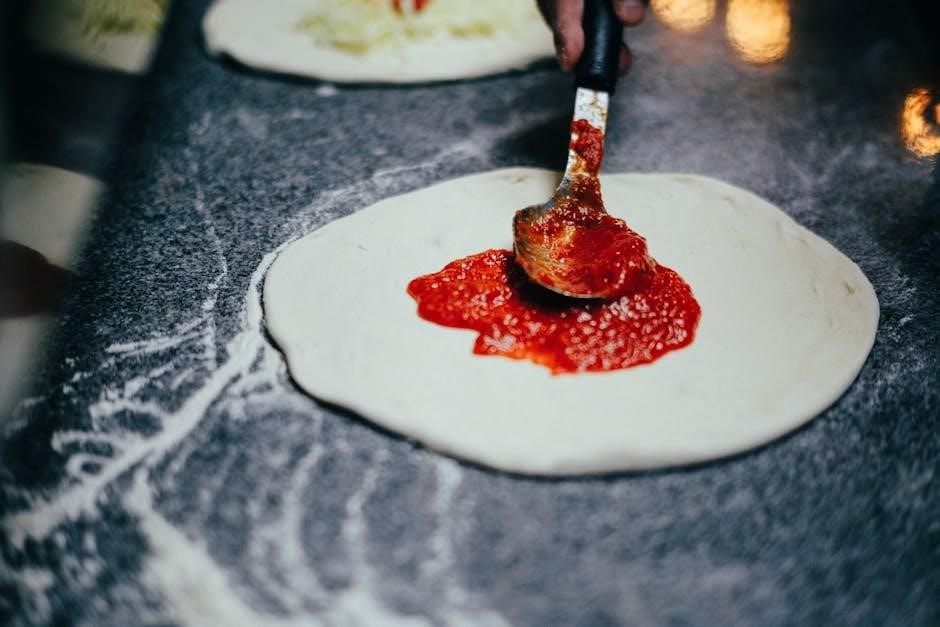
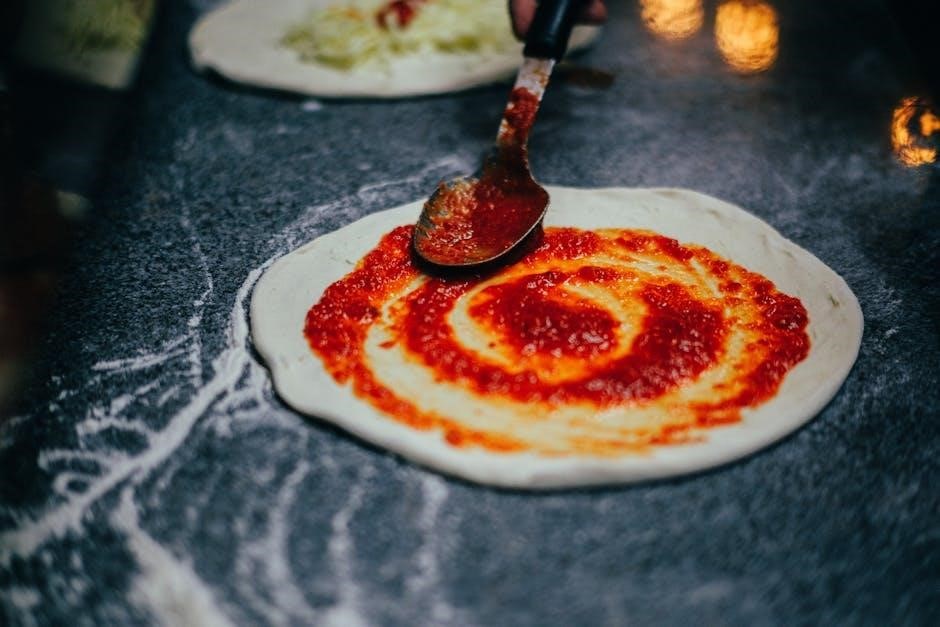
Spread your favorite sauce – a classic marinara works wonderfully – and then load up on your desired toppings. Bake in the oven for approximately 30 to 40 minutes‚ or until the sides achieve a beautiful‚ medium-brown color.
Allow the pizza to cool slightly before slicing into squares and serving. This recipe is incredibly flexible‚ adapting to your preferences and available ingredients. It’s truly the easiest pizza you’ll ever make!
Oven Temperature & Rack Placement
Achieving the perfect bake hinges on proper oven temperature and rack positioning. While specific temperatures can vary based on your desired crust crispness‚ a general guideline is to preheat your oven to a moderate heat‚ around 400-450°F (204-232°C).
For sheet pan pizzas‚ the middle rack is ideal‚ ensuring even heat distribution. When utilizing a baking stone or steel‚ preheating it within the oven is crucial for a superior‚ crispy crust.
Experimentation is key; slightly adjusting the temperature and rack placement can dramatically impact the final result. Monitor the pizza closely during baking to prevent burning and achieve golden-brown perfection.
Baking Stone/Steel for Crispier Crusts
For a truly restaurant-quality‚ crispy crust‚ a baking stone or steel is highly recommended. These materials retain and distribute heat far more effectively than a standard baking sheet‚ mimicking a professional pizza oven’s environment.
Preheat the stone or steel inside the oven for at least 30-60 minutes at the highest temperature setting (typically 500-550°F or 260-288°C). Carefully transfer the stretched dough onto the preheated surface.
The intense heat creates a beautifully browned and blistered crust. Remember to use a pizza peel dusted with flour or cornmeal for easy transfer and removal.
Beyond Pizza: Alternative Uses
Trader Joe’s dough is versatile! Enjoy calzones‚ garlic knots‚ savory dough strips‚ or flatbreads – expanding beyond traditional pizza for delightful Italian-inspired meals.
Trader Joe’s Pizza Dough Calzones
Calzones offer a fantastic alternative to pizza using Trader Joe’s dough! Stretch the dough into circles or rectangles‚ then fill one half with your favorite pizza toppings – ricotta‚ mozzarella‚ pepperoni‚ and marinara are excellent choices; Carefully fold the dough over‚ crimping the edges tightly to seal in the deliciousness.
Brush the calzone with olive oil or an egg wash for a golden-brown finish. Bake until golden and the filling is bubbly and heated through. Calzones are perfect for a quick and satisfying meal‚ offering a portable and customizable twist on classic pizza flavors. They’re a family favorite!
Garlic Knots & Breadsticks
Transform Trader Joe’s pizza dough into irresistible garlic knots or breadsticks! Simply stretch the dough and cut it into strips. For knots‚ tie the strips into loops and tuck the ends underneath. Brush generously with a mixture of melted butter‚ minced garlic‚ and herbs like parsley or oregano.
Bake until golden brown and delightfully fragrant. These are perfect appetizers or side dishes. For breadsticks‚ simply stretch the dough into longer‚ thinner strips before baking. A sprinkle of parmesan cheese elevates both options. Enjoy these warm‚ garlicky delights!
Savory Dough Strips & Flatbreads
Beyond pizza‚ Trader Joe’s dough excels as savory strips or flatbreads! Stretch the dough into a rectangle and cut into strips for a quick snack. Brush with olive oil‚ sprinkle with herbs like rosemary and sea salt‚ then bake until crispy. Alternatively‚ stretch the dough thinner for a versatile flatbread base.
Top with pesto‚ roasted vegetables‚ or a drizzle of balsamic glaze. These are fantastic for appetizers or light meals. Experiment with different seasonings and toppings to create unique flavor combinations. The possibilities are endless with this adaptable dough!
Toppings & Sauce Pairings
Elevate your pizza! Explore classic Margherita combinations or venture into gourmet toppings like BBQ pulled pork‚ Mediterranean veggies‚ or spicy sausage.
Classic Margherita Pizza Combinations
The simplicity of a Margherita pizza truly shines with Trader Joe’s dough. Begin with a base of their flavorful marinara sauce‚ spread evenly but not excessively‚ leaving space for a delightful crust. Fresh mozzarella‚ either sliced or torn‚ is essential – Trader Joe’s offers excellent options.
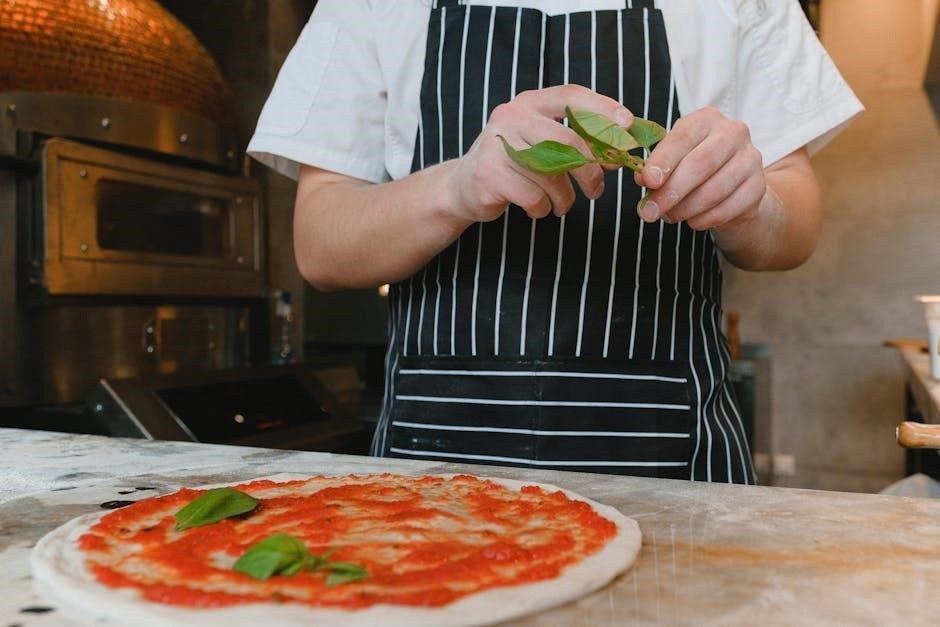
Scatter fresh basil leaves generously over the cheese; their aromatic presence is key to the Margherita experience. A drizzle of high-quality olive oil adds richness and enhances the flavors. For a touch of complexity‚ consider a sprinkle of grated Parmesan cheese; Bake until the crust is golden brown and the cheese is bubbly and slightly browned. This classic combination is a testament to the power of fresh‚ quality ingredients!
Exploring Unique & Gourmet Toppings
Beyond the classics‚ Trader Joe’s dough is a canvas for culinary creativity! Consider a BBQ pulled pork pizza‚ utilizing their pre-cooked pork and BBQ sauce for a smoky delight. A Mediterranean-inspired pizza with artichoke hearts‚ Kalamata olives‚ and feta cheese offers a vibrant flavor profile.
For spice lovers‚ a sausage and bell pepper combination with a pinch of red pepper flakes delivers a satisfying kick. Don’t hesitate to experiment with unique cheeses like goat cheese or provolone. Trader Joe’s also offers interesting pestos and spreads to replace traditional marinara. Elevate your pizza night with these gourmet combinations!
Troubleshooting Common Issues
Don’t worry about pizza mishaps! Sticky dough‚ a soggy bottom‚ or a lack of crispness are easily solved with simple adjustments to technique and baking.
Dough is Too Sticky
Dealing with sticky Trader Joe’s pizza dough is common‚ but easily manageable! The key is to generously flour your work surface and your hands. Don’t be shy – a liberal dusting prevents sticking during stretching and shaping.
If the dough remains stubbornly sticky‚ a brief‚ gentle kneading with a little extra flour incorporated can help. Avoid over-kneading‚ as this can develop too much gluten. Remember‚ a slightly tacky dough is preferable to one that’s overly dry. Patience and flour are your allies!
Resist the urge to add excessive flour all at once; add it gradually until you achieve a workable consistency.
Crust is Not Crispy Enough
Achieving a crispy crust with Trader Joe’s dough requires attention to baking technique. Utilizing a preheated baking stone or steel is highly recommended‚ as they retain and transfer heat more effectively than a sheet pan. Ensure your oven is fully preheated to the appropriate temperature before baking.
Avoid overcrowding the pizza with toppings‚ as excess moisture can lead to a soggy crust. A slightly higher oven temperature can also promote crisping‚ but monitor closely to prevent burning.
Baking directly on the oven rack (with parchment paper underneath) can also enhance crispness.
Preventing a Soggy Bottom
A soggy pizza bottom is a common issue‚ but easily avoidable with a few key strategies. Pre-baking the crust for a few minutes before adding toppings can create a barrier against moisture. Using a pizza stone or baking steel is crucial‚ as they provide intense bottom heat.
Avoid overloading the pizza with wet ingredients like fresh mozzarella or sauce. A light hand with sauce application is best. Consider sprinkling a thin layer of flour or cornmeal under the dough before adding toppings to absorb excess moisture.

Storage & Freezing Instructions
Proper storage extends dough usability! Refrigerate unused dough promptly‚ or freeze for longer-term preservation of this convenient pizza base.
Refrigerating Unused Dough
If you don’t use the entire package of Trader Joe’s pizza dough at once‚ refrigeration is your friend! To keep the remaining dough fresh‚ tightly wrap it in plastic wrap‚ ensuring no air pockets remain; Alternatively‚ place the dough inside an airtight container.
Refrigerated dough can be stored for up to two to three days‚ though its quality may slightly diminish after the second day. Before using refrigerated dough‚ allow it to come to room temperature for approximately 30-60 minutes. This will make it more pliable and easier to stretch and shape‚ resulting in a better pizza crust texture.
Freezing for Longer-Term Storage
Want to stock up on Trader Joe’s pizza dough? Freezing is an excellent option for longer storage! Divide the dough into individual portions – the size you typically use for one pizza – before freezing. This allows you to thaw only what you need.
Wrap each portion tightly in plastic wrap‚ then place it inside a freezer-safe bag or container. Properly frozen dough can last for up to two months. To thaw‚ transfer the dough to the refrigerator overnight. Again‚ allow it to come to room temperature for 30-60 minutes before stretching.
Resources & Community Favorites
Explore popular recipes and tips from fellow Trader Joe’s enthusiasts! Reddit’s r/traderjoes offers a wealth of ideas and user-tested techniques.
Popular Recipes from the Trader Joe’s Community
The Trader Joe’s community has embraced the pizza dough for more than just traditional pizzas! Calzones are a frequent favorite‚ offering a satisfying‚ portable meal. Many users enjoy creating simple sheet pan pizzas‚ utilizing Trader Joe’s marinara sauce for convenience.
Beyond pizza‚ inventive cooks are crafting garlic knots and breadsticks by stretching the dough into strips and tying them into knots‚ then brushing with garlic butter. Savory dough strips and flatbreads also emerge as popular choices‚ showcasing the dough’s versatility. From BBQ pulled pork pizzas to Mediterranean veggie combinations‚ the possibilities are truly endless‚ inspiring creativity in kitchens nationwide.
Reddit Discussions & User Tips (r/traderjoes)
The r/traderjoes subreddit is a treasure trove of tips and tricks for maximizing the pizza dough! Users frequently share their favorite non-pizza applications‚ like garlic knots created by stretching‚ tying‚ and baking dough brushed with garlic butter.
Discussions highlight the dough’s flexibility – it can be easily stretched into rectangles for strips or formed into calzones. Many recommend the sheet pan pizza method for ultimate ease‚ achieving a satisfying meal in under 40 minutes. The community consistently praises the dough’s convenience and affordability‚ making homemade pizza accessible to all.