
Trans Wisconsin Adventure Trail Map PDF: A Comprehensive Guide
Navigating the Trans Wisconsin Adventure Trail (TWAT) requires digital resources; official paper maps or a centralized PDF download are unavailable for this extensive route.
What is the Trans Wisconsin Adventure Trail (TWAT)?
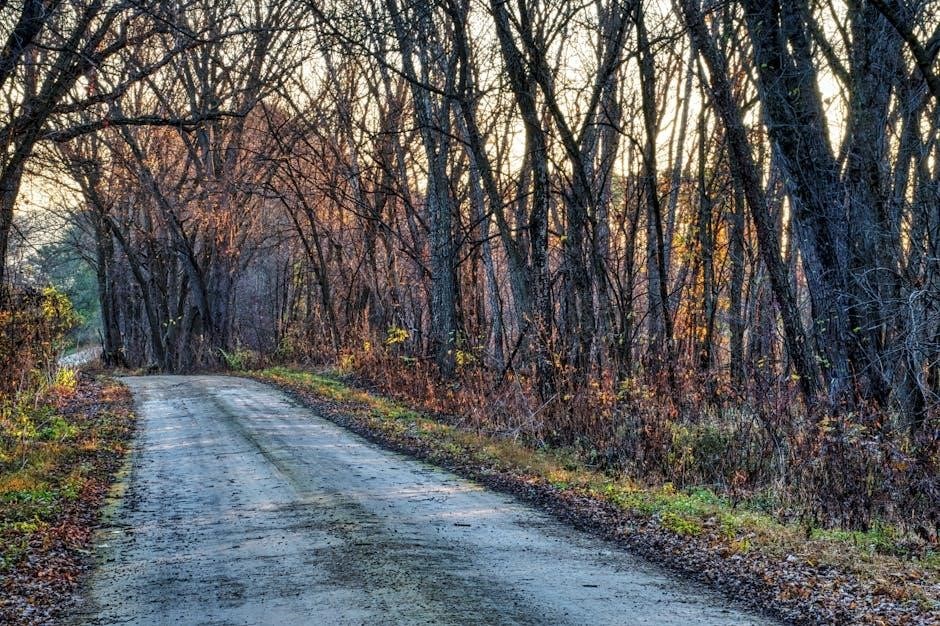
The Trans Wisconsin Adventure Trail (TWAT) is an incredibly popular, long-distance off-road route traversing the state of Wisconsin. Designed primarily for dual-sport and adventure style motorcycles, it’s also accessible to high-clearance vehicles with minor route adjustments. The trail isn’t a formally maintained path, but rather a curated collection of public roads, forest roads, and two-track trails stitched together to create a challenging and scenic adventure.
It’s important to understand that the TWAT isn’t a single, clearly marked trail. Instead, it’s a GPS track that riders and drivers follow, relying on navigational tools to stay on course. The trail’s creator, Chad Berger, a Wisconsin native, envisioned a route showcasing the state’s diverse landscapes and offering a true backcountry experience. The TWAT’s appeal lies in its remoteness, varied terrain, and the sense of self-sufficiency it demands from adventurers.
Currently, there are no official paper maps or a single downloadable PDF map available for the entire TWAT route.
History and Development of the TWAT
The Trans Wisconsin Adventure Trail originated from the vision of Chad Berger, a Wisconsin resident and dedicated adventure enthusiast. Beginning around 2012, Berger meticulously crafted the route over several years, initially as a personal challenge and then sharing it with fellow riders. His goal was to connect existing public roads, forest roads, and lesser-known two-tracks into a cohesive, long-distance adventure.
Berger’s approach involved extensive on-the-ground reconnaissance, riding and scouting potential trail segments. He prioritized routes offering a balance of challenge, scenic beauty, and accessibility. The TWAT wasn’t intended to be a simple ride; it was designed to test riders’ skills and navigational abilities.
Notably, the TWAT’s development occurred organically, relying on word-of-mouth and online communities like DRRiders;com to gain traction. The absence of official maps or a centralized PDF reflects this grassroots origin, fostering a spirit of exploration and reliance on digital resources.
Trail Sections: Northern, Central, and Southern Portions
The Trans Wisconsin Adventure Trail is logically divided into three distinct sections: Northern, Central, and Southern. Each portion presents unique terrain and challenges, contributing to the overall diversity of the TWAT experience. onX Offroad provides detailed GPS trail maps for each segment, showcasing conditions and difficulty levels.
The Northern Portion generally features more rugged, forested landscapes, often incorporating challenging two-track roads and potentially muddy conditions. The Central Portion transitions into rolling hills and farmland, offering a mix of gravel roads and smoother sections. Finally, the Southern Portion tends to be characterized by more open terrain and a greater prevalence of gravel roads.
While a complete, downloadable PDF map isn’t available, riders can utilize these sectional breakdowns within GPS applications to plan their journey effectively. Understanding these differences is crucial for appropriate vehicle selection and gear preparation.
Northern Portion Details

The Trans Wisconsin Adventure Trail’s Northern section is renowned for its challenging and remote character. onX Offroad maps detail this portion, revealing a landscape dominated by dense forests and rugged two-track roads. Expect significant elevation changes and potentially difficult terrain, particularly after rainfall.
This section often includes sections of sandy soil and rocky paths, demanding capable motorcycles or high-clearance vehicles. While a comprehensive PDF map isn’t available, the onX platform allows users to download specific segments for offline navigation. Riders should anticipate limited services and plan accordingly, carrying sufficient fuel and supplies.
Detailed GPS data highlights points of interest and potential hazards, aiding in route planning. The Northern portion truly tests rider skill and preparedness, offering a rewarding experience for those seeking adventure.
Central Portion Details

The Trans Wisconsin Adventure Trail’s Central section presents a diverse riding experience, transitioning from forested areas to rolling hills and farmland. onX Offroad provides detailed mapping, showcasing a mix of gravel roads, two-track trails, and occasional paved sections. Terrain varies, offering a balance between challenging obstacles and smoother stretches.
Unlike the more remote North, the Central portion generally offers more frequent access to small towns and services, though riders should still be self-sufficient. Again, a dedicated PDF map isn’t available; reliance on GPS data via platforms like onX is crucial. Expect creek crossings and potentially muddy conditions, especially during wetter seasons.
This segment is considered moderately difficult, suitable for intermediate riders and well-equipped vehicles. Careful route planning using GPS resources is essential for a safe and enjoyable journey.
Southern Portion Details
The Trans Wisconsin Adventure Trail’s Southern section is characterized by its blend of wooded areas, agricultural landscapes, and the Driftless Area’s unique topography. onX Offroad mapping reveals a network of gravel roads, forest trails, and challenging climbs and descents. As with other sections, a dedicated PDF map is not available, emphasizing the need for digital navigation.
This portion tends to be more populated than the North, offering increased opportunities for resupply and lodging. However, riders should still prepare for stretches with limited services. Terrain can be rocky and technical in places, demanding careful riding and vehicle selection. Expect varied conditions, from dry gravel to muddy tracks.
The Southern portion is generally rated as moderate to challenging, appealing to experienced adventure riders. Utilizing GPS data and planning accordingly is vital for a successful traverse.
Accessing the TWAT Map: The PDF Question
A frequently asked question among prospective TWAT riders revolves around the availability of a comprehensive, downloadable PDF map. Unfortunately, there is no official, consolidated Trans Wisconsin Adventure Trail map offered in PDF format. The trail’s creator, Chad Berger, intentionally avoided creating a single paper map or PDF due to the dynamic nature of the route and the constant need for updates.
Maintaining a static map would quickly become outdated as landowners change access permissions, trails are rerouted, or conditions evolve. This approach ensures the TWAT remains a living, breathing route, adapting to real-world changes. Instead of a PDF, the community relies on GPS-based mapping solutions for the most current information.
Riders must embrace digital navigation tools to experience the trail effectively.
Why There’s No Official TWAT Paper Map or PDF
The absence of an official Trans Wisconsin Adventure Trail (TWAT) paper map or PDF is a deliberate design choice by the trail’s originator, Chad Berger. He recognized the inherent limitations of static maps for a route spanning diverse terrains and relying heavily on landowner permissions. Maintaining accuracy across such a vast and evolving network would be an insurmountable task.
Land access agreements are subject to change, and trail conditions fluctuate seasonally. A printed map or fixed PDF would quickly become obsolete, potentially leading riders onto closed sections or inaccurate routes. Berger prioritized a dynamic system, leveraging GPS technology to provide the most up-to-date information.
This approach ensures the TWAT remains sustainable and respectful of private property, fostering continued access for adventure riders.
GPS Resources for Navigating the TWAT
Successfully traversing the Trans Wisconsin Adventure Trail (TWAT) hinges on utilizing robust GPS resources, as official paper maps or comprehensive PDF downloads are unavailable. onX Offroad emerges as a premier mapping platform, offering detailed GPS trail maps, real-time condition updates, and difficulty assessments for each portion – Northern, Central, and Southern.
Beyond onX, riders can access GPX file downloads, often shared within online communities like Reddit’s r/Dualsport. These files contain waypoints and track data importable into various GPS devices and smartphone apps. However, verifying the file’s currency is crucial, as trail modifications occur.
Combining onX’s comprehensive maps with community-sourced GPX files provides a layered approach to navigation, ensuring a well-informed and adaptable TWAT experience.
onX Offroad: A Key Mapping Platform
onX Offroad stands out as the leading digital mapping solution for the Trans Wisconsin Adventure Trail (TWAT), compensating for the lack of official paper maps or a consolidated PDF. This platform provides meticulously detailed GPS trail maps specifically for Wisconsin’s off-road network, including the entire TWAT route.
Users gain access to crucial information such as trail conditions – updated by fellow riders – and a clear indication of trail difficulty levels. onX allows for offline map downloads, essential for areas with limited cellular service. Furthermore, the platform facilitates route planning, waypoint creation, and tracking your progress along the TWAT.
Its intuitive interface and comprehensive data make onX Offroad an indispensable tool for navigating this challenging and rewarding adventure trail.
GPX File Downloads and Usage
Given the absence of an official TWAT map in PDF or paper format, GPX (GPS Exchange Format) files are crucial for navigation. These files contain the trail’s coordinates, allowing riders to load the route onto their GPS devices or smartphone apps.
A free GPX download for the TWAT was previously available on Reddit’s r/Dualsport forum, offering a comprehensive set of waypoints. While availability may vary, searching online forums and adventure riding communities often yields access to these files.
To utilize a GPX file, download it to your device and import it into a compatible GPS unit or app like onX Offroad. Ensure your device supports GPX files before embarking on the trail. Regularly check for updated versions, as the TWAT route can evolve.
Vehicle Suitability: Motorcycles and High-Clearance Vehicles
The Trans Wisconsin Adventure Trail (TWAT) is primarily designed for dual-sport and adventure-style motorcycles, offering a challenging yet rewarding experience. However, the trail isn’t exclusively limited to two wheels.
High-clearance vehicles, such as Jeeps or capable SUVs, can also tackle the TWAT, though some route modifications might be necessary. Expect sections with rough terrain, including gravel roads, sand, mud, and potentially rocky areas. A vehicle with four-wheel drive and robust suspension is highly recommended.
Motorcyclists should choose bikes suited for varied terrain, prioritizing suspension travel and tire choice. Regardless of your vehicle, proper preparation and awareness of trail conditions are essential for a safe and enjoyable adventure. The TWAT’s diverse landscape demands adaptable machines.
Trail Difficulty and Terrain
The Trans Wisconsin Adventure Trail (TWAT) presents a diverse range of challenges, making it suitable for experienced riders and drivers, but demanding preparation. Terrain varies significantly across its length, encompassing everything from smooth gravel roads to deeply rutted tracks and sandy sections.
Expect to encounter wooded areas, open fields, and potentially rocky climbs. Difficulty levels fluctuate, with some portions being relatively easy while others require advanced riding or driving skills. Water crossings are possible, depending on recent rainfall and seasonal conditions.
Navigational skills are crucial, as the trail isn’t always clearly marked. Overall, the TWAT is considered a moderately difficult adventure, requiring a capable vehicle, appropriate gear, and a willingness to embrace the unpredictable nature of off-road exploration.
Essential Gear and Preparation
Thorough preparation is paramount for tackling the Trans Wisconsin Adventure Trail (TWAT). Essential gear includes a GPS device loaded with the trail’s GPX files (onX Offroad is highly recommended), a toolkit for basic repairs, and sufficient fuel capacity or a method for carrying extra fuel.
Riders should wear appropriate protective gear – helmet, boots, gloves, and durable riding apparel. For vehicles, recovery gear like a winch, tow strap, and shovel are advisable. Pack ample water, high-energy snacks, and a first-aid kit.
Consider bringing tire repair tools, spare tubes (for motorcycles), and communication devices like a satellite messenger or two-way radios. Inform someone of your planned route and estimated return time, and be prepared for varying weather conditions.
Accommodation and Services Along the Trail
The Trans Wisconsin Adventure Trail (TWAT) is largely a remote experience, meaning services and accommodations are spread out. Expect limited options directly on the trail; planning is crucial. Small towns intersected by the route offer basic amenities like fuel, food, and lodging – motels, campgrounds, and occasionally, small hotels.
Wild camping is possible in some areas, but always check local regulations and practice Leave No Trace principles. Larger towns a short detour from the trail provide more comprehensive services, including motorcycle repair shops and medical facilities.
Riders should carry enough supplies to be self-sufficient for extended periods. Pre-booking accommodations, especially during peak season, is highly recommended. Resources like online forums (DRRiders.com) often contain updated information on services along the trail.
Community Forums and Resources (DRRiders.com, Reddit)
The Trans Wisconsin Adventure Trail (TWAT) benefits from a strong online community offering invaluable resources for planning and navigating the route. DRRiders.com hosts a dedicated thread, a long-standing hub for TWAT riders sharing experiences, updated trail conditions, and route modifications.
Reddit’s r/Dualsport subreddit is another active forum, frequently featuring discussions about the TWAT, including GPX file sharing and recent ride reports. Users often post about specific sections, potential hazards, and recommended gear. These platforms are excellent for obtaining current information.
These online communities provide a space to ask questions, connect with fellow adventurers, and contribute to the collective knowledge base surrounding the TWAT. Checking these forums before and during your trip is highly recommended for the most up-to-date insights.
Safety Considerations for TWAT Riders
Riding the Trans Wisconsin Adventure Trail (TWAT) demands careful preparation and awareness of potential hazards. Due to the remote nature of many sections, self-reliance is crucial; cell service can be spotty or nonexistent. Carry sufficient supplies, including water, food, repair tools, and a first-aid kit.
Be prepared for varying terrain and weather conditions. The trail includes gravel roads, two-track paths, and potentially muddy or sandy sections. Inform someone of your planned route and estimated return time. Consider traveling with a buddy for added safety.
Wildlife encounters are possible, so remain vigilant. Always wear appropriate safety gear, including a helmet, gloves, and protective clothing. Respect private property and adhere to all posted signage. Prioritize responsible riding practices to ensure a safe and enjoyable experience.
Permits and Regulations
Currently, there are no specific permits required to ride the entirety of the Trans Wisconsin Adventure Trail (TWAT). However, riders must adhere to all applicable Wisconsin state laws regarding off-road vehicle operation and trail usage. This includes registration requirements for motorcycles and high-clearance vehicles.
Certain sections of the trail may traverse county or local roads where specific regulations apply. It’s essential to respect private property and obtain permission before crossing any privately owned land. Be aware of seasonal restrictions or closures that may be in effect due to weather conditions or land management practices.
Always check for updated regulations from the Wisconsin Department of Natural Resources (DNR) and local authorities before embarking on your journey. Responsible trail use and adherence to all rules are vital for preserving access to this unique adventure route.
Recent Updates and Trail Conditions (as of 02/11/2026)
As of February 11th, 2026, the Trans Wisconsin Adventure Trail (TWAT) is experiencing typical winter conditions across much of its length. Northern sections are reporting significant snow cover and icy patches, making travel challenging even with appropriate tires. Central Wisconsin has mixed conditions – some trails are rideable, while others remain snow-covered or muddy.
Southern portions are generally clear of snow, but recent rainfall has created some muddy sections. Riders are advised to check recent reports on DRRiders.com and Reddit’s r/Dualsport forum for the most up-to-date information. onX Offroad users are contributing current trail condition reports, proving invaluable for planning.
Recent maintenance efforts have focused on clearing downed trees in the northern sections, but riders should still expect obstacles. Always prioritize safety and adjust your route based on current conditions.