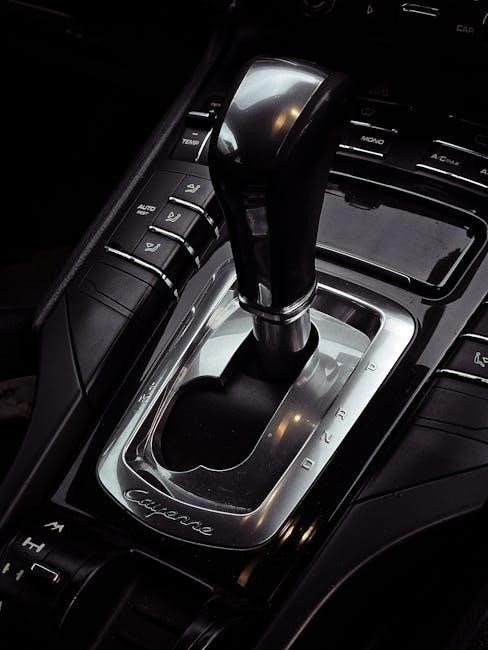
Automatic transmissions utilize hydraulic control for gear shifts, while manual valve bodies offer a direct mechanical link, blending convenience with driver control.
What is an Automatic Transmission?
Automatic transmissions represent a significant advancement in automotive technology, relieving drivers from the need to manually select gears. These systems employ a hydraulic control system, acting as the ‘brain’ of the operation, to seamlessly shift between gears based on vehicle speed and engine load. The core function revolves around utilizing transmission fluid to engage various clutch packs and bands, effectively altering the gear ratio.
Unlike manual transmissions requiring direct driver input, automatics achieve gear changes automatically. Even in modern, electronically controlled automatics, the valve body remains crucial, directing fluid flows to trigger the appropriate gear. This intricate network of passages and valves ensures smooth and efficient power delivery, enhancing the driving experience and reducing driver fatigue.
The Role of the Valve Body
The valve body is fundamentally the ‘nerve center’ or ‘hydraulic brain’ of an automatic transmission, regardless of whether it’s electronically controlled. It’s a complex assembly containing a network of passages and valves that precisely direct hydraulic fluid. This fluid flow activates the correct clutch pack for the selected gearing, enabling smooth and efficient gear changes.
Essentially, the valve body dictates shift timing and firmness. It responds to various inputs, including vehicle speed and throttle position, to determine when and how aggressively to shift gears. It’s responsible for creating those seamless transitions we associate with automatic transmissions, ensuring optimal performance and drivability. Without a functioning valve body, the transmission cannot operate correctly.
Understanding Manual Valve Bodies: A Hybrid Approach
Manual valve bodies represent a fascinating blend of traditional and modern transmission technology. They aren’t fully automatic, nor are they purely manual; instead, they offer a direct mechanical feel through driver input. This system physically connects the driver to transmission range selection, allowing for more deliberate control over gear changes.
Unlike fully automatic systems reliant on electronic controls, manual valve bodies utilize a manual valve to connect hydraulic pressure to clutches or brakes. This simplifies the system, often favored in racing and custom vehicles. They remove integration with complex electronic systems, offering a more raw and responsive driving experience, though requiring greater driver skill.
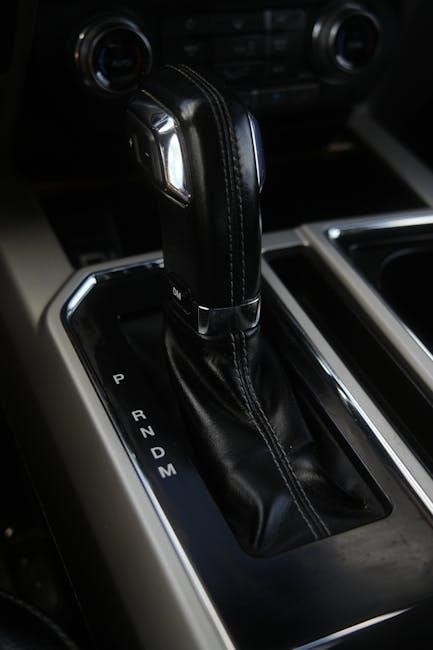
Components of a Manual Valve Body System
Key components include the manual valve for driver input, a hydraulic control system, transmission fluid, and clutch packs/bands for gear engagement.
Manual Valve: Direct Driver Input
The manual valve serves as the crucial physical connection between the driver and the transmission’s range selection. Unlike fully automatic systems relying on electronic signals, this valve directly responds to the driver’s gear lever movements. Its primary function is to establish a hydraulic pathway, connecting pressure to clutches or brakes associated with forward, manual shift, reverse, or park positions.
This direct linkage provides a tactile feel, allowing drivers to intentionally select gears. Essentially, the manual valve dictates which gear is engaged by channeling hydraulic fluid, bypassing complex electronic controls. It’s a fundamental element in systems prioritizing driver control and a more mechanical driving experience, often favored in performance applications.
Hydraulic Control System
The hydraulic control system is the heart of both traditional and manual valve body automatic transmissions. It utilizes pressurized transmission fluid to engage and disengage clutch packs and bands, facilitating smooth gear changes. The valve body, acting as the “brain,” contains a complex network of passages and valves that direct this fluid flow.
In a manual valve body setup, the driver’s input via the manual valve directly influences this hydraulic choreography. By channeling fluid through specific paths, the system triggers the appropriate clutch pack for the selected gear. Precise regulation of hydraulic pressure is paramount for achieving firm, yet comfortable shifts, ensuring optimal performance and longevity of the transmission components.
Transmission Fluid and its Importance
Transmission fluid is absolutely critical for the operation and longevity of any automatic transmission, especially those employing manual valve bodies. It serves multiple vital functions: transmitting hydraulic pressure, lubricating moving parts, cooling components, and providing friction for clutch engagement. Maintaining the correct fluid level and condition is paramount.
Degraded or contaminated fluid can lead to sluggish shifts, overheating, and ultimately, transmission failure. Regular fluid checks and changes, as per the manufacturer’s recommendations, are essential preventative maintenance. The fluid’s ability to efficiently transfer hydraulic pressure directly impacts the responsiveness and precision of the manual valve body’s control over gear selection.
Clutch Packs and Bands
Clutch packs and bands are the core components responsible for engaging and disengaging different gear ratios within the automatic transmission. Clutch packs utilize friction discs pressed together by hydraulic pressure, while bands clamp around drums to hold specific gears. The manual valve body precisely directs hydraulic fluid to activate these components.
The valve body’s control over fluid pressure directly influences shift firmness and timing, impacting performance and drivability. Worn or damaged clutch packs and bands result in slipping, harsh shifts, or a failure to engage certain gears. Proper fluid maintenance, as previously discussed, is crucial for maximizing the lifespan and efficiency of these essential transmission elements.

How a Manual Valve Body Works
Driver input via the manual valve regulates hydraulic pressure, directly controlling clutch pack engagement and disengagement for precise gear selection and shift timing.
Driver Input and Valve Activation
The core principle of a manual valve body lies in the direct connection between the driver and the transmission’s gear selection. Unlike fully automatic systems relying on electronic signals, a mechanical linkage – typically a shift lever or cable – directly actuates the manual valve. This physical movement positions the valve, opening or closing specific hydraulic pathways within the valve body.
As the driver moves the shift lever, it corresponds to a specific gear request. This action physically manipulates the manual valve, establishing a hydraulic connection to the appropriate clutch packs or bands responsible for engaging that gear. The precision of this mechanical link provides the driver with a more tactile and responsive feel, directly influencing shift timing and firmness. Essentially, the driver becomes part of the shifting process, bypassing the complexities of electronic control modules.
Hydraulic Pressure Regulation
Once the manual valve is activated by driver input, it directs hydraulic fluid under pressure to the appropriate components. The valve body contains a complex network of passages and channels, meticulously designed to control the flow of this fluid. This regulated pressure is then applied to clutch packs and bands, initiating gear engagement.
The valve body doesn’t simply ‘open’ or ‘close’ a pathway; it carefully modulates the pressure, influencing shift firmness and smoothness. Different valve configurations and spring pressures within the valve body determine the precise amount of hydraulic force delivered. This precise regulation ensures efficient and reliable gear changes, channeling fluid to trigger the correct clutch pack for the selected gearing. Maintaining proper fluid pressure is crucial for optimal transmission function.
Shift Timing and Firmness Control
Shift timing, in a manual valve body system, is largely dictated by the driver’s actions and the mechanical linkage to the valve. Unlike electronic systems, there’s less reliance on sensors and computer calculations. However, the valve body itself still plays a role in refining this timing. Internal valve designs and spring pressures influence when a shift occurs, providing a degree of control beyond simple lever movement.
Shift firmness is also regulated hydraulically. The amount of pressure applied to the clutch packs directly impacts how quickly and decisively a gear engages. The valve body’s internal components modulate this pressure, allowing for a balance between smooth, comfortable shifts and firm, responsive changes. This control is vital for performance applications.
Gear Selection Process
The gear selection process with a manual valve body begins with the driver’s input – moving the shift lever. This mechanical action directly manipulates valves within the valve body, establishing hydraulic pathways. These pathways then direct pressurized transmission fluid to specific clutch packs or bands, engaging the desired gear ratio. It’s a purely hydraulic and mechanical sequence, bypassing electronic control modules.
The valve body acts as a central routing hub, ensuring the correct fluid flow for each gear. Precise valve positioning is crucial for smooth and accurate shifts. The system’s simplicity offers a direct connection between driver intention and transmission response, providing a tactile and predictable driving experience.

Advantages of Manual Valve Bodies
Manual valve bodies provide enhanced control, simplicity, and a direct mechanical feel, often favored in racing and custom vehicles for their responsiveness.
Enhanced Control for Performance Applications
Manual valve bodies excel in performance scenarios by granting drivers precise command over gear selection and shift firmness. Unlike fully automatic systems, they bypass electronic controls, offering a direct mechanical connection. This immediacy is crucial in racing and motorsports, where split-second adjustments can determine outcomes.
The ability to manually dictate shifts allows racers to maintain optimal engine RPM, maximizing power output and acceleration. Furthermore, the simplified design, removing complex electronic integration, contributes to increased reliability under extreme conditions. This direct control isn’t merely about speed; it’s about predictability and responsiveness, allowing skilled drivers to exploit every ounce of the vehicle’s potential. They are generally used for racing rather than street driving.
Simplicity and Reliability
Manual valve bodies stand out due to their inherent simplicity compared to electronically governed automatic transmissions. By removing the need for complex sensors, solenoids, and computer modules, the system becomes less prone to failure. This streamlined design translates directly into enhanced reliability, particularly beneficial in demanding environments where consistent performance is paramount.
Fewer components mean fewer potential points of malfunction, reducing the likelihood of breakdowns and costly repairs. This simplicity also facilitates easier diagnosis and maintenance. The robust, mechanical nature of the system contributes to its longevity, making it a favored choice for applications prioritizing durability and minimizing downtime.
Cost-Effectiveness Compared to Electronic Systems
Manual valve body transmissions generally present a more budget-friendly alternative to their electronically controlled counterparts. The elimination of expensive sensors, intricate wiring harnesses, and sophisticated control modules significantly reduces the initial cost of the system. This affordability extends beyond the purchase price, impacting long-term ownership expenses.
Repair costs are typically lower due to the simpler design and readily available components. Diagnostic procedures are often less complex, requiring less specialized equipment and expertise. For enthusiasts and builders on a budget, a manual valve body offers a pathway to enhanced performance without the substantial financial investment associated with fully electronic systems, making it a practical choice.
Direct Mechanical Feel
Manual valve bodies provide a uniquely engaging driving experience characterized by a direct mechanical connection between the driver and the transmission. Unlike electronic systems that filter inputs, a manual valve body translates the driver’s actions into immediate gear changes, fostering a heightened sense of control and responsiveness.
This direct feel allows for precise shift timing and firmness adjustments, catering to individual driving preferences and performance needs. Drivers can intuitively anticipate and manage gear selection, creating a more connected and immersive experience. This tactile feedback is particularly valued in performance applications where responsiveness is paramount, offering a level of engagement absent in fully automated systems.
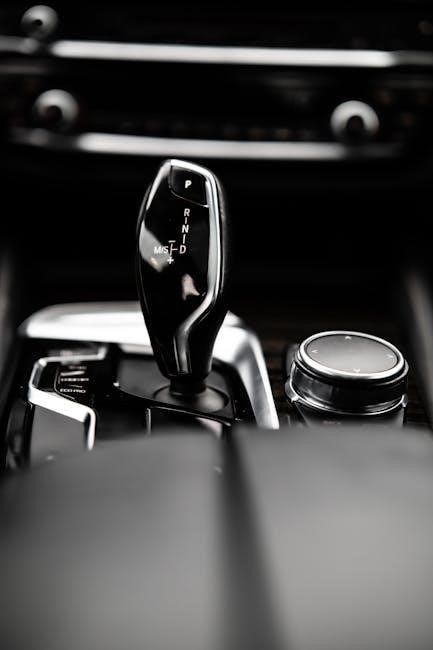
Disadvantages of Manual Valve Bodies
Manual valve bodies lack the convenience of fully automatic systems, demanding more driver involvement and presenting a steeper learning curve for optimal operation.
Reduced Convenience Compared to Fully Automatic Systems
Traditional automatic transmissions excel in ease of use, seamlessly shifting gears without requiring direct driver intervention. Manual valve body systems, however, necessitate a more engaged driving experience. Drivers must actively select gears, diminishing the relaxed convenience associated with standard automatics. This direct control, while appealing to some, introduces a level of complexity absent in fully automated setups.
The absence of electronic controls means no “drive” or “cruise” modes; each gear change is a deliberate action. This can be fatiguing during prolonged driving, particularly in stop-and-go traffic. While offering a connection to the vehicle, it undeniably sacrifices the effortless operation many drivers prefer, making it less suitable for everyday commuting scenarios.
Steeper Learning Curve for Drivers
Mastering a manual valve body transmission demands a greater understanding of vehicle mechanics and driving techniques than a conventional automatic. Drivers unfamiliar with manual shifting will face a noticeable learning curve, requiring practice to coordinate clutch engagement (if applicable), valve operation, and throttle control for smooth transitions.
Unlike fully automatic systems, intuitive operation isn’t immediate. Understanding shift points, anticipating gear changes, and avoiding abrupt shifts are crucial skills. This increased complexity can be daunting for novice drivers, potentially leading to jerky movements or incorrect gear selection initially. Proficiency requires dedication and a willingness to learn the nuances of the system.
Potential for Driver Error
Manual valve body systems, while offering control, inherently introduce the possibility of driver-induced mistakes. Incorrect valve operation, misjudged shift timing, or improper clutch engagement can lead to harsh shifts, transmission damage, or even loss of control. Unlike electronic systems with built-in safeguards, the driver assumes full responsibility for precise gear selection.
A momentary lapse in concentration or unfamiliarity with the vehicle’s characteristics can result in unintended consequences. This contrasts sharply with fully automatic transmissions, where the computer manages shifts, minimizing human error. Consistent, attentive driving is paramount to prevent issues arising from operational mistakes.
Limited Customization Options
Manual valve bodies, in their fundamental design, present fewer avenues for extensive customization compared to their electronically controlled counterparts. While shift firmness and timing can be adjusted mechanically, achieving the nuanced control offered by programmable electronic systems proves challenging. Modifying shift points often requires physical alterations to valve springs or orifices, demanding specialized knowledge.
The simplicity that contributes to reliability also restricts adaptability. Complex shift strategies, torque converter lock-up schedules, or performance-based adjustments are harder to implement without transitioning to a more sophisticated control system. This limitation can be a drawback for those seeking highly tailored transmission behavior.
Applications of Manual Valve Body Transmissions
Manual valve bodies excel in racing, hot rods, and classic car restorations, offering direct control and simplicity where precision and reliability are paramount.
Racing and Motorsports
Manual valve body transmissions are a staple in the demanding world of racing and motorsports. Their direct mechanical connection provides racers with unparalleled control over gear selection, crucial for optimizing performance on the track. Unlike electronic systems, they eliminate potential delays caused by computer processing, ensuring instantaneous shifts.
This responsiveness is vital for maintaining momentum and achieving faster lap times. Furthermore, the simplified design enhances reliability, reducing the risk of mechanical failure during intense competition. Racers often prioritize the predictable feel and adjustability of a manual valve body, allowing for precise tuning to match specific track conditions and driving styles. They are generally used for racing rather than street driving.
Hot Rods and Custom Vehicles
Manual valve bodies are highly sought after in the hot rod and custom vehicle scene, appealing to enthusiasts who desire a more engaging driving experience. They offer a unique blend of classic mechanical feel and the convenience of an automatic transmission. Builders appreciate the ability to tailor shift points and firmness to complement their engine builds and desired driving characteristics.
This customization allows for a truly personalized driving experience, setting these vehicles apart. The robust and simplified nature of manual valve bodies also aligns with the ethos of hot rodding – prioritizing reliability and direct control. They represent a return to a more visceral connection between driver and machine, enhancing the overall enjoyment of the build.
Heavy-Duty Applications
Manual valve body transmissions find a niche in heavy-duty applications where precise control and durability are paramount. Unlike fully automatic systems, the direct mechanical linkage offers predictable performance under demanding loads, crucial for towing, hauling, and off-road use. The simplicity of the design contributes to increased reliability, reducing the risk of failure in harsh environments.
Operators benefit from the ability to confidently select and hold gears, preventing unwanted shifting during critical maneuvers. This level of control is particularly valuable in situations requiring consistent power delivery and engine braking. The robust construction and straightforward operation make them a practical choice for work vehicles and specialized equipment.
Classic Car Restorations
Manual valve body transmissions are highly sought after in classic car restorations, offering authenticity and a driving experience closer to the original intent. Many vintage vehicles were initially equipped with these systems, providing a direct connection between driver and machine. Restorers often prioritize maintaining this original feel, rejecting modern electronic controls for a purist approach.
Rebuilding or sourcing a manual valve body allows for a faithful recreation of the car’s original performance characteristics. The mechanical simplicity also aligns with the era’s engineering principles, making repairs and maintenance more manageable with period-correct tools and knowledge. This dedication to originality enhances the vehicle’s value and historical significance.
Maintenance and Troubleshooting
Regular fluid checks are crucial, alongside valve body cleaning, to ensure optimal performance. Identifying issues early prevents major repairs and maintains reliability.
Regular Fluid Checks and Changes
Maintaining proper transmission fluid levels and condition is paramount for a manual valve body system’s longevity. Regularly inspect the fluid for color and smell; a burnt odor or dark coloration indicates potential issues. Fluid changes should occur at recommended intervals, typically every 30,000 to 60,000 miles, depending on driving conditions and fluid type.
Using the correct fluid is absolutely critical, as incorrect fluid can damage the valve body and other internal components. Always consult your vehicle’s owner’s manual for the specified fluid type. During fluid changes, inspect the transmission pan for metal shavings, a sign of internal wear. Prompt fluid maintenance prevents costly repairs and ensures smooth, reliable shifting performance within the system.
Identifying Common Issues
Several issues can plague manual valve body transmissions. Harsh or delayed shifting often points to valve body wear or incorrect adjustment. Leaks around the valve body indicate gasket failure or damaged housing. Unusual noises, like clunking or whining, may signal internal component damage, potentially within clutch packs or bands.
Difficulty selecting gears or slipping during acceleration suggests hydraulic pressure problems or worn valve components. A complete loss of drive necessitates immediate attention. Regularly monitoring for these symptoms allows for early intervention, preventing more extensive and expensive repairs. Proper diagnosis is crucial before attempting any fixes.
Valve Body Cleaning and Rebuilding
Thorough cleaning is paramount when addressing manual valve body issues. Disassembly reveals intricate passages often clogged with debris and varnish. Specialized solvents and compressed air are essential for removing these contaminants. Inspect valves for wear, scoring, or sticking; replacement is often necessary. Gaskets and seals must be renewed during reassembly to prevent leaks.
Rebuilding involves carefully honing valve bores and ensuring proper valve seating. Precise adjustment of shift linkage is critical for accurate gear selection. A clean work environment prevents further contamination. Professional rebuilding ensures optimal performance and longevity, restoring the valve body to its original functionality.
Professional Diagnosis and Repair
Accurate diagnosis requires specialized tools and expertise. Technicians utilize pressure gauges to assess hydraulic function within the manual valve body. Scan tools, while less critical than with electronic systems, can identify related issues. A thorough road test confirms shift quality and identifies any anomalies. Internal inspection reveals valve wear, broken springs, or clogged passages.
Repair often necessitates complete valve body removal and disassembly. Professionals possess the knowledge to correctly reassemble and adjust the intricate components. Replacing worn parts with high-quality replacements ensures reliability. Proper fluid flushing post-repair is crucial, preventing contamination and ensuring smooth operation.
Future Trends and Developments
Hybrid systems integrating mechanical and electronic control are emerging, alongside advanced materials for durability. Aftermarket support will continue innovating for performance and restoration needs.
Integration with Modern Technologies
The fusion of traditional manual valve body systems with contemporary technologies presents exciting possibilities. While inherently mechanical, these transmissions aren’t immune to enhancements from the digital realm. Data logging, for instance, can provide valuable insights into driver input and valve performance, aiding in precise tuning for optimal shift points and firmness. Sophisticated sensors could monitor hydraulic pressures and temperatures, feeding information back to a control unit that subtly adjusts parameters.
Furthermore, programmable logic controllers (PLCs) could be implemented to offer limited customization, allowing users to tailor shift characteristics without fully abandoning the direct mechanical feel. This approach bridges the gap between the raw, visceral experience of a fully manual system and the refined control of modern automatics. The key lies in augmenting, not replacing, the core mechanical functionality, preserving the inherent simplicity and reliability of the manual valve body.
Hybrid Valve Body Systems
Emerging hybrid valve body systems represent a compelling evolution, seeking to capitalize on the strengths of both manual and fully electronic automatic transmissions. These systems typically retain the core manual valve for primary gear selection, providing the direct mechanical connection favored by enthusiasts. However, they integrate electronic solenoids to manage auxiliary functions like torque converter lockup, shift smoothness, or even adaptive shift programming.
This approach allows for a degree of automation and customization while preserving the fundamental mechanical feel. The electronic components can learn driving styles and adjust shift parameters accordingly, enhancing both performance and drivability. Such systems offer a balance – the reliability and simplicity of a manual valve body combined with the convenience and adaptability of modern electronic control. They represent a nuanced solution for those seeking a unique driving experience.
Advanced Materials and Manufacturing
The pursuit of enhanced durability and precision drives innovation in materials and manufacturing techniques for manual valve bodies. Traditional cast iron is increasingly supplemented by billet aluminum, offering superior strength-to-weight ratios and improved thermal conductivity. Surface treatments like nitriding and coating are employed to minimize friction and wear within the intricate valve passages.
CNC machining plays a crucial role, enabling the creation of complex geometries with tight tolerances, vital for consistent hydraulic flow and precise valve operation. Additive manufacturing (3D printing) is also emerging as a potential method for prototyping and even producing customized valve body components. These advancements contribute to increased reliability, performance, and longevity, particularly in high-stress applications like racing or heavy-duty vehicles.
The Role of Aftermarket Support
A robust aftermarket is essential for enthusiasts and professionals utilizing manual valve body transmissions. Specialized companies offer rebuild kits, individual components, and fully assembled valve bodies tailored to specific performance goals. These kits often include upgraded valves, springs, and seals designed to withstand increased hydraulic pressures and aggressive shifting.
Technical expertise and community forums provide invaluable resources for troubleshooting, customization, and optimization. Custom tuning services allow drivers to fine-tune shift points and firmness to match their vehicle and driving style. The availability of aftermarket support ensures the longevity and continued evolution of manual valve body technology, catering to a dedicated niche of performance-minded individuals.